Product Overview
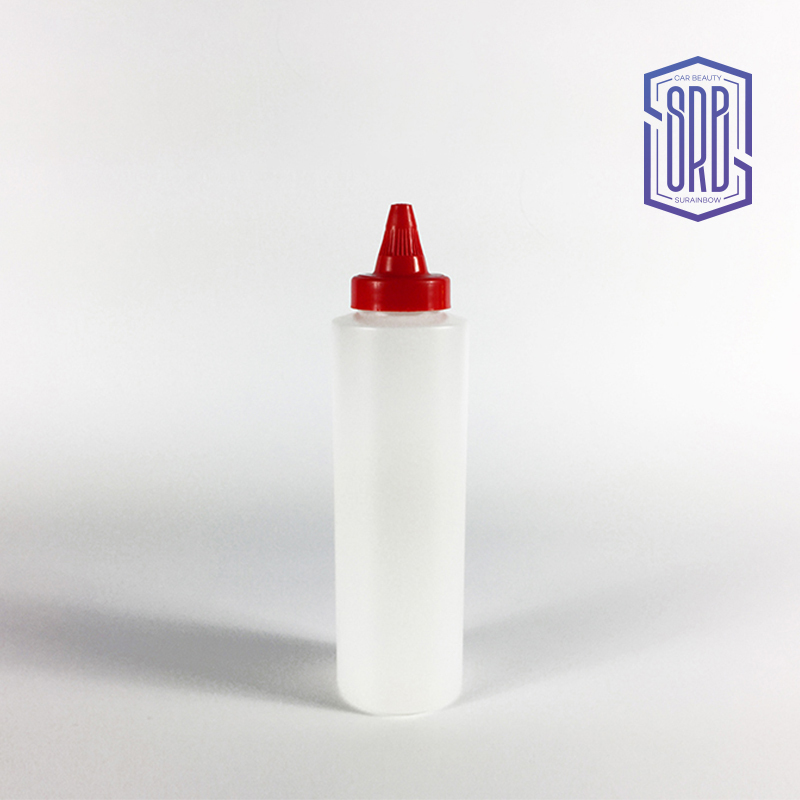
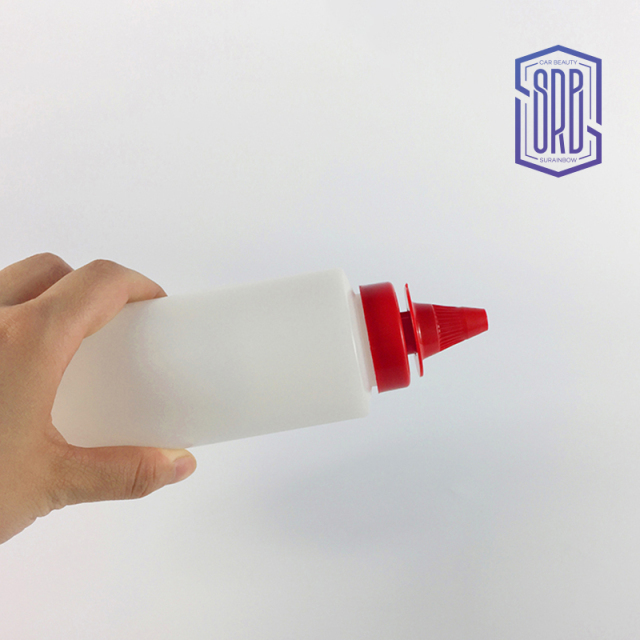
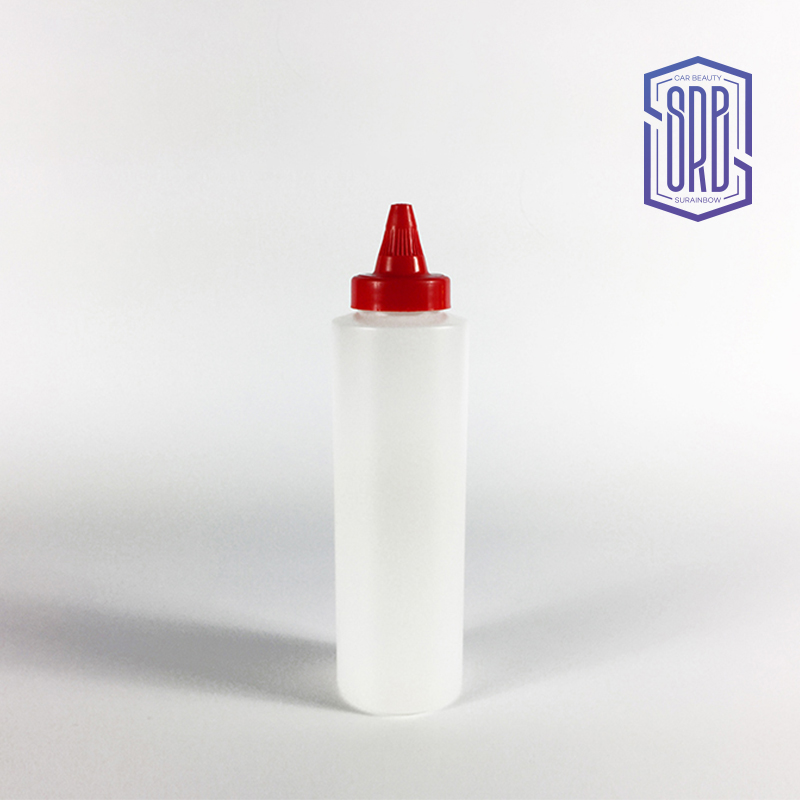
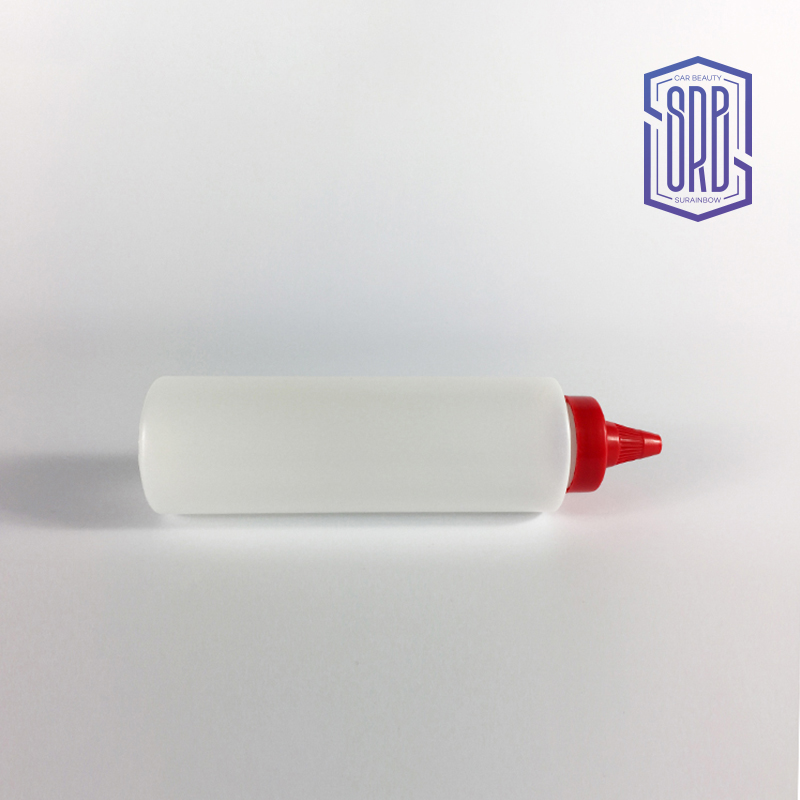
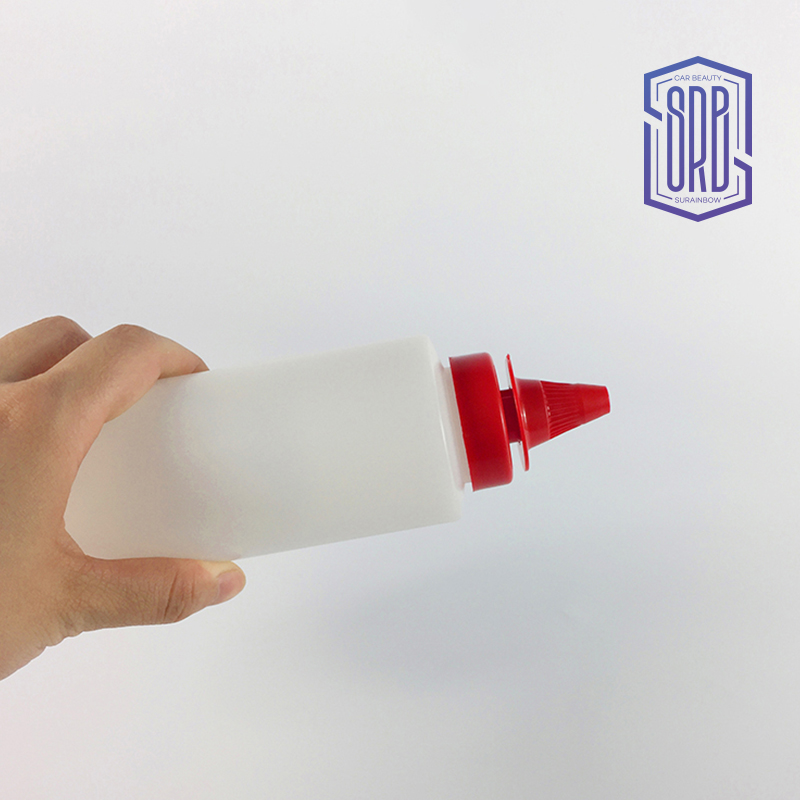
It is supplied as the bottle itself, so you choose the car wax, dressing or polish that goes inside. In a working bay it takes the place of the open tub that gets knocked over on the cart. Fill it, cap it, tip it and squeeze, and the flow stops the moment you release pressure, so product lands on the panel instead of the floor. That control counts most on edges, badges and the curve of a wheel arch. The format suits the liquid side of a range: a paint sealant, a trim restorer, a hand-applied car care wax, a liquid polish. One filled bottle covers a whole vehicle without repeated dipping into a tub, and the tapered tip keeps product off the surrounding panels. Refilling is the point. Distributors and detailer chains put it into a car wax wholesale shipment as the low-cost piece that lets their customers top up, and it travels beside the chemicals it is made to carry.
Bottle & Cap Construction
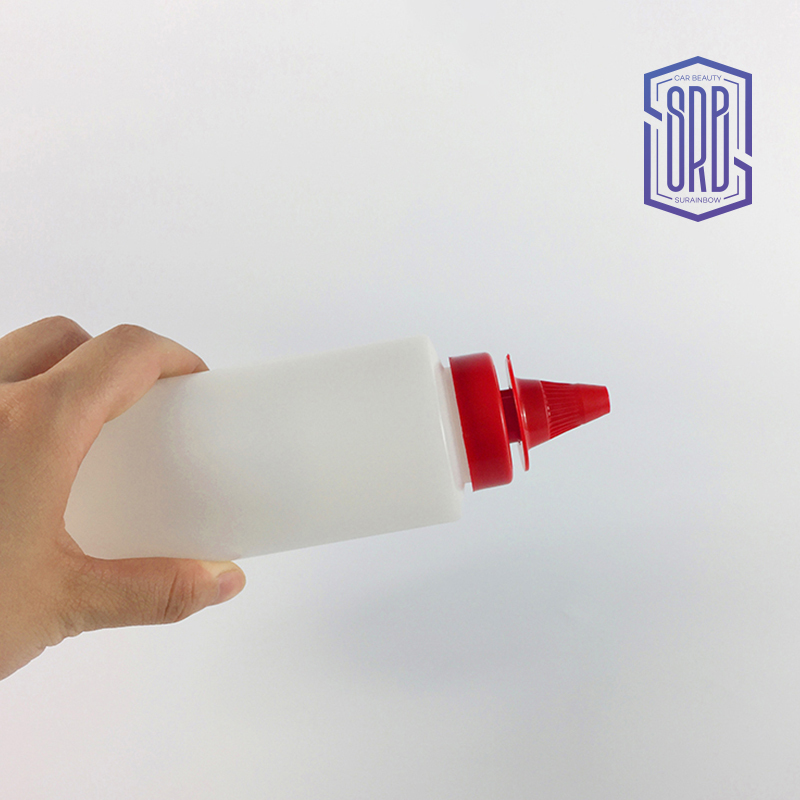
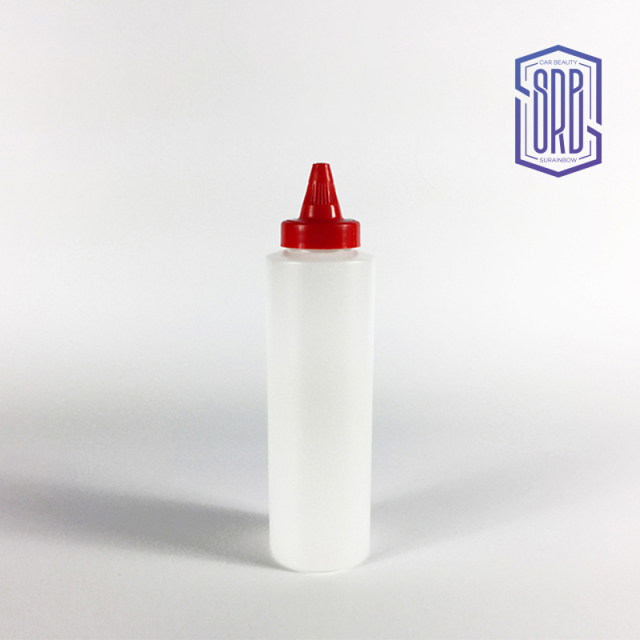
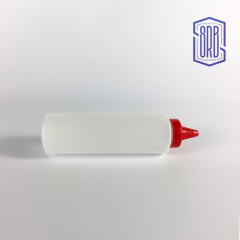
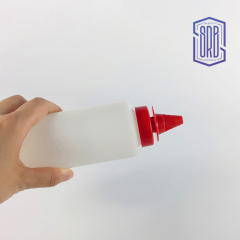
- Squeeze body with a controlled release. The PE walls flex under hand pressure and recover their shape afterwards, so the flow rate is set by your grip rather than by a pump or trigger that can jam mid-panel.
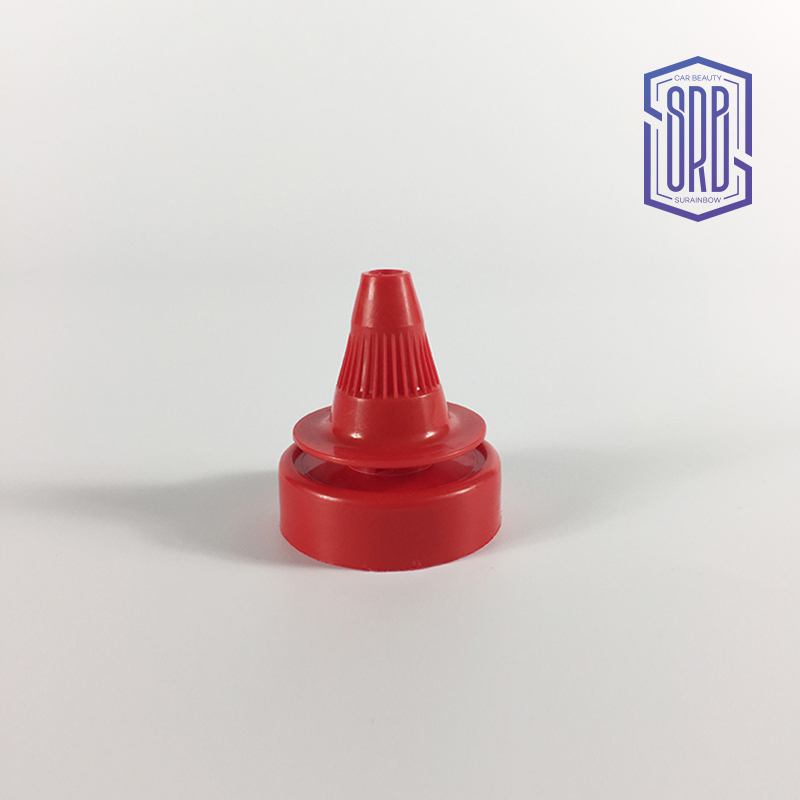
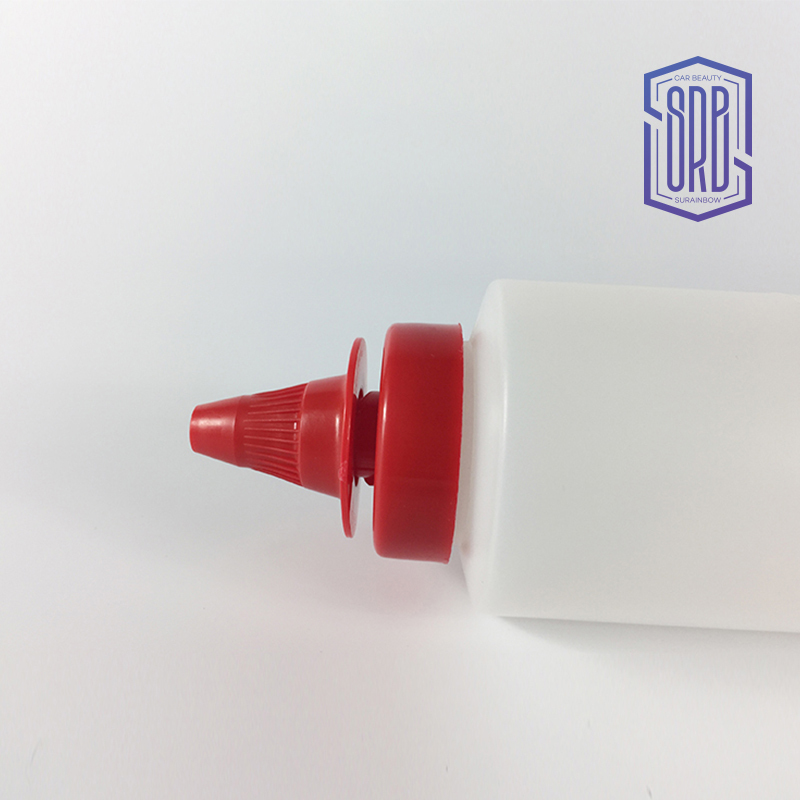
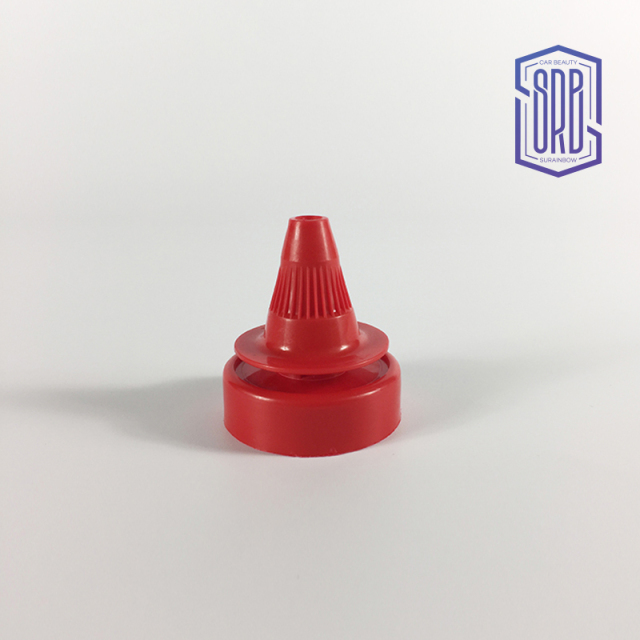
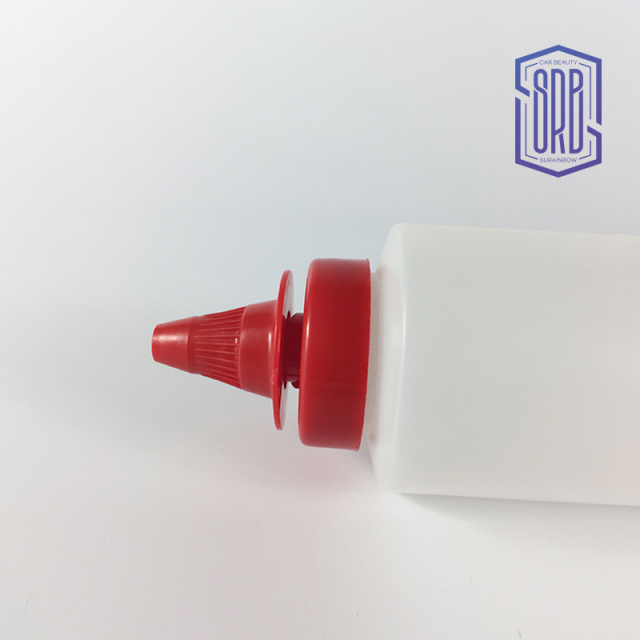
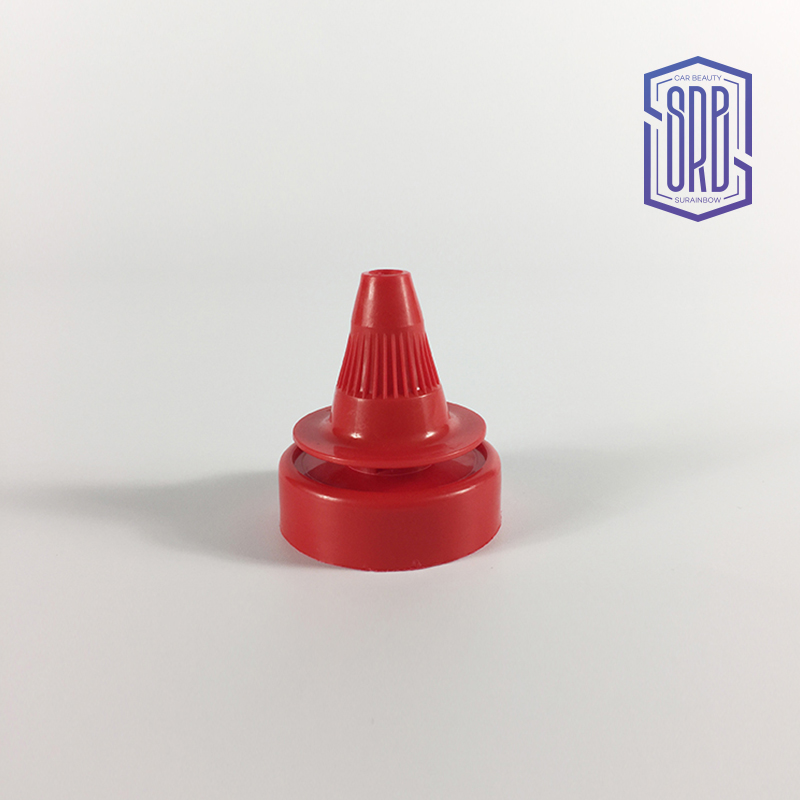
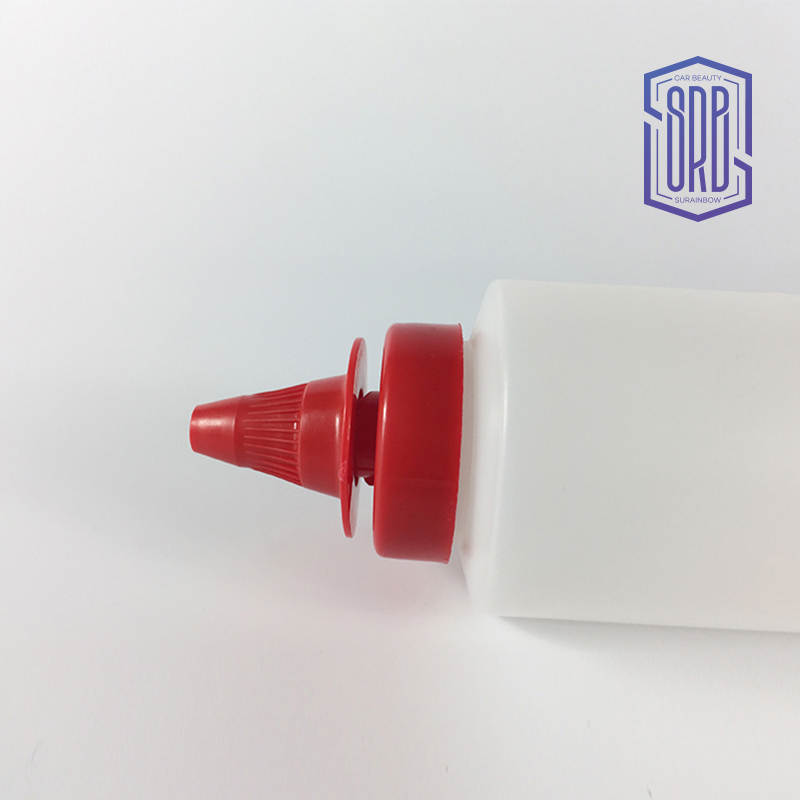
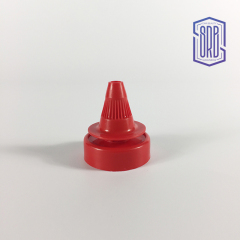
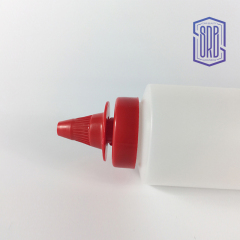
- Tapered nozzle cap. The pointed tip lays product in a narrow line for edges and tight areas, and the cap closes the bottle between sections without a separate stopper to lose.
- Ribbed collar for grip. The collar is ribbed, which matters more than it sounds when your hands are wet or gloved halfway through a wash.
- Thin and thick products through one tip. A spray wax for car moves through the nozzle as readily as a heavier car wax; the squeeze, not the product, sets the pace.
- Refillable rather than disposable. Among the cleaning tools for car that a bay keeps rather than replaces, it earns its place by being rinsed, refilled and put back on the cart.
Filling & Dispensing
- Check the fill before you pour. A liquid car wax or a lotion-style dressing flows through the tapered tip cleanly; a stiff paste is better applied from its own container and worked in with a pad.
- Measure the fill, not the dose. Whatever dilution or dosage your product specifies is worked out before it goes in; the stated capacity is a fill limit, not a mixing guide.
- Fill to a working level. Leave headspace so the body can flex, and wipe the thread before the cap goes back on so product does not creep down the side of the label.
- Prime away from the car. A couple of light squeezes over a waste cloth bring product to the tip, so the first touch on the panel is product and not air.
- Work one section at a time. Apply to a panel or half-panel, spread it with the tip and your hand, then move on rather than reloading for every edge.
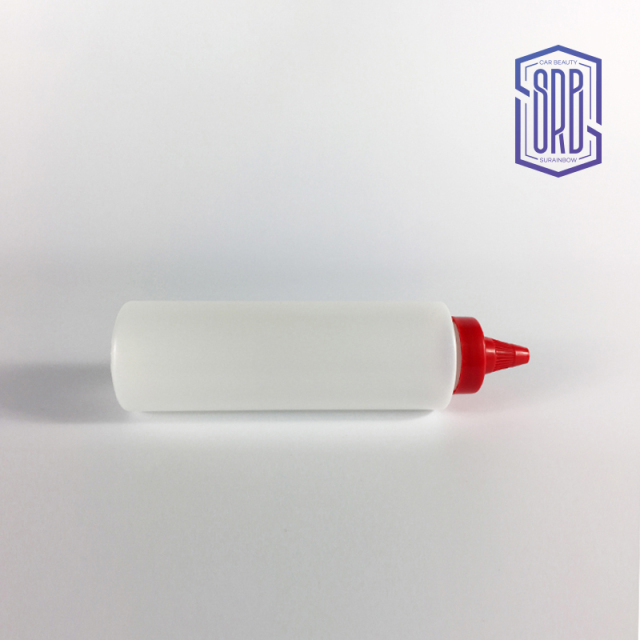
- Cap it and stand it up. The cap goes back on between sections and the bottle stands on its flat round base, which keeps the tip clear and the label dry.
Detailing Applications
- Hand waxing on paint. Where a car care wax is worked in by hand, the bottle puts a measured amount on the panel instead of loading a pad from a tub.
- Wheel arches, sills and lower doors. These are the areas a spray misses and a hand-applied dressing protects; the tapered tip reaches into the arch without soaking the surrounding panels.
- Tyre sidewalls. A dressing goes on faster from a squeeze bottle than from a trigger, and there is no overspray drifting onto freshly polished paint.
- Trim, grille and textured plastics. Small amounts worked into narrow mouldings, which is a job a spray wax for car cannot do without catching glass and paint as well.
- Badges, panel gaps and shut lines. The tip delivers product into the gap rather than across it, which is the difference between a clean line and a smear.
- Trade and refill assortments. Shops and digital-channel sellers build their car wax wholesale ranges around a bottle buyers can top up, and it sits naturally beside the liquids it carries.
- Starter sets and mobile kits. A mobile detailer carries one filled bottle instead of three separate tubs, and it takes up little room in a bag or a van drawer.
Specifications
| Specification | Detail |
|---|
| Product name | Car cleaning tool separate wax bottle |
| Model | T-682 |
| Capacity | 350 ml |
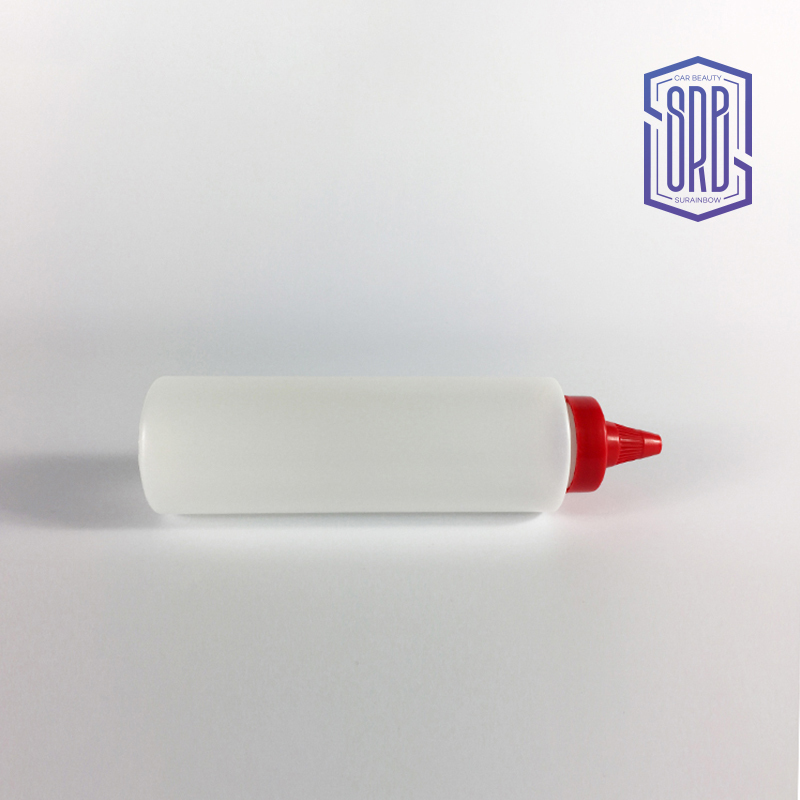
| Size | 21 × 5.5 cm |
| Material | PE |
| Colour | Red |
| Chemical resistance | Acid and alkali resistant |
| Dispensing | Squeeze body with tapered nozzle cap |
| Typical fills | Liquid car wax, dressings and liquid polish |
| Power requirement | None, hand-operated dispenser |
| Brand | SURAINBOW |
| Place of origin | China |
Private-Label Presentation
Label area. The cylindrical body provides a wrap-around label panel with room for a brand mark, product name, volume and the wording your market requires. Bottle and closure as one item. As a car wax manufacturer we can quote the bottle on its own or as part of a filled private-label product, with the closure, label and carton chosen together instead of being sourced from three different places. One design across a range. Brands building car care supplies lines can carry the same bottle across several products and change only the label, which keeps the shelf looking consistent and makes reordering simple.
Ordering & Delivery
- Sampling and approval. Ask your sales contact about sample availability and what the sample will cover, including bottle, closure and label position. Any applicable sample or courier charge is confirmed before dispatch, and the piece you approve can be sealed as the reference for bulk.
- Packaging design and proofing. Send artwork, label content, barcode and carton marks for review; the proof you sign off is the version that runs. Check language, volume statements and claims against your own market's rules before you approve.
- Minimum order and quotation scope. The minimum depends on the bottle, the decoration and the size of the order, and it is confirmed in the quotation. A mixed order that combines cleaning tools for car with liquids can be reviewed as one project, with each item's terms stated separately.
- Stock and timing. In stock and fast shipping applies to stocked lines across the range, from car care supplies to tools. Where a bottle needs printing or a carton needs making, the schedule is fixed against your approval date rather than assumed.
- Payment and shipment. Accepted payment methods, currency and payment schedule are set out in the commercial offer, and balance and payment status are checked before dispatch. For car wax wholesale orders the shipping plan, by courier, sea, air, rail or truck DDP, is confirmed in the quotation against destination and volume.
- Documents and market compliance.
- Export paperwork can include SDS/MSDS, CoA, GHS label information, commercial invoice, packing list and customs documents, and the set you need depends on the product and the destination.
- The bottle carries no chemistry of its own, so any safety data sheet your customers ask for comes with the liquid filled into it.
- Label review supports your artwork, but local registration and market obligations stay with the importer.
- After-sales and batch traceability. Report leakage, shortage or packaging damage within 7 days of receipt and quality concerns within 30 days, quoting the order or sample reference, batch number, affected quantity and clear photos so the batch can be checked against the approved reference. The warranty cover that applies to your order is stated in the commercial offer.
Scale & Supply Capability
SURAINBOW is run by Guangzhou Liangdian Automotive Supplies Co., Ltd., a factory-trade operation set up in Guangzhou in 2010 and now 50 people strong. Sixteen years in car care have given us a one-stop supply position: our own SURAINBOW lines are held in stock for fast shipping, and an associate factory with modern production equipment and an established quality management system keeps replenishment moving. We take OEM and ODM work and our R&D team develops to your specification. Buyers in the Middle East, the United States, Southeast Asia, Europe, the UK, Russia, Africa and Australia already order from us.
FAQ
What products can this bottle hold?
Liquids mainly: a liquid car wax, a paint sealant, a tyre or trim dressing, a liquid polish. Anything that pours and stays fluid passes the tapered tip cleanly, while a stiff paste belongs in its own tub and on an applicator pad.
Will a spray wax for car work through the tapered tip?
Yes — a spray wax for car is exactly the kind of thin liquid that passes through the tapered tip without clogging, so the bottle behaves like a fine applicator rather than a spray head. Shake the product first, hold the bottle low so the tip sits close to the panel, and squeeze lightly while moving in one steady line. The closer the tip is to the surface, the less the bead wanders and the easier it is to keep the product where you want it.
Edges, badges, panel gaps and the seam around a wheel arch are where this pays off. You lay a narrow line on the area being treated and keep it off the glass, rubber and trim sitting alongside. Spray drift is the usual reason a wax ends up where it should not, and a tip takes that out of the equation. If a section needs more product, give it a second pass rather than squeezing harder, which keeps the bead even along its length.
Spread the line by hand straight after laying it, using a folded microfiber or an applicator pad, so the product levels before it begins to set. Wipe the tip after each section, cap the bottle between passes and store it upright — dried product on the tip will slow the next job. When you are trying an unfamiliar liquid, run a short test on a hidden panel and adjust your grip rather than the tip.
How do I stop the tip clogging between uses?
Cap it as soon as you finish a section and wipe the tip clean. If product thickens inside the nozzle, warm water and a few squeezes clear it before it sets, and the bottle is ready for the next fill.
Can the bottle carry my own brand?
Yes. Label artwork, label language, barcode and carton marks are reviewed as one set, and the closure and carton are confirmed against the approved proof. As a car wax manufacturer we can quote the filled product alongside the empty bottle if you want both from one source.
Is the car care wax included with the bottle?
No — the bottle is supplied on its own, without product inside. The liquids it is built to carry, including our car care wax and the dressing and polish lines, are ordered separately from the same range, so you can match bottle numbers to the chemicals you actually sell instead of committing to filled stock you did not plan for.
That separation works in your favour on a mixed order. A distributor can bring in bottles and liquids together, label the bottles to their own brand, and keep both parts of the range aligned without storing finished, filled units through long freight. Detailing chains often take the bottles as the refillable part of a bay kit while buying their wax in the sizes their technicians already use. Wholesalers and e-commerce sellers tend to stock the two as separate lines so a customer can replace one without the other.
If you want the bottle and the chemical sold as a single packaged unit, raise it when you enquire: matching labels, a filled and capped presentation or a particular pack arrangement can usually be discussed, though what is possible depends on the product and the order. Buyers should confirm pack configuration, carton quantity and any label approval steps with the sales team before the season order is placed.
Private-label buyers normally send artwork for the bottle label and the chemical label together, so both carry the same brand block and colour. Ordering the two parts at the same time, even as separate lines, keeps that consistent and makes reordering simpler.
How should the bottle be cleaned between different products?
Warm water and a few shakes, then a full dry with the cap off. As with other cleaning tools for car, the mistake is sealing it wet, because moisture left in the body clouds the next fill and softens a paper label.