Product Overview
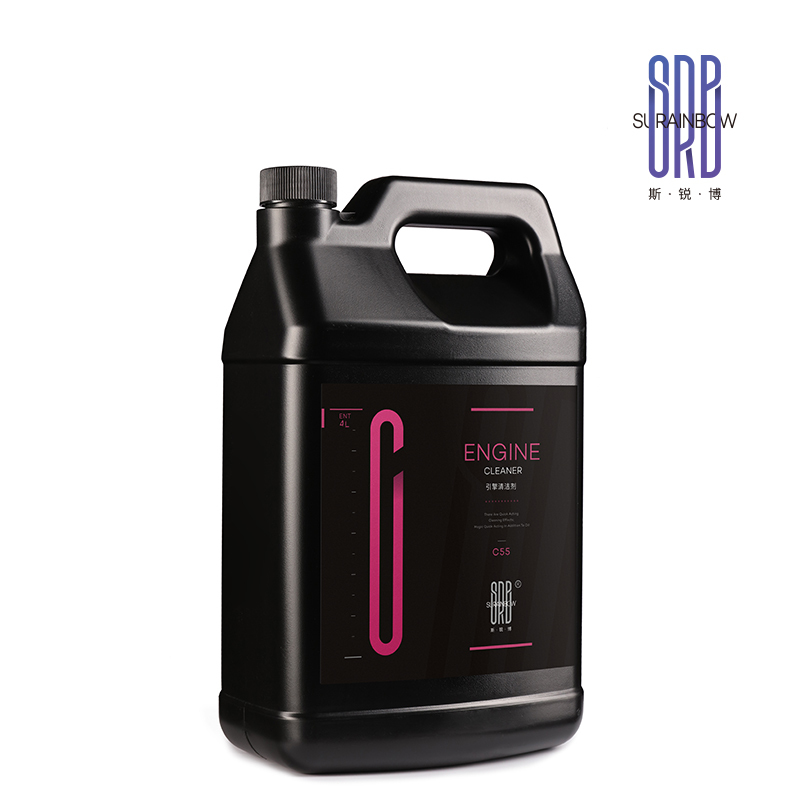
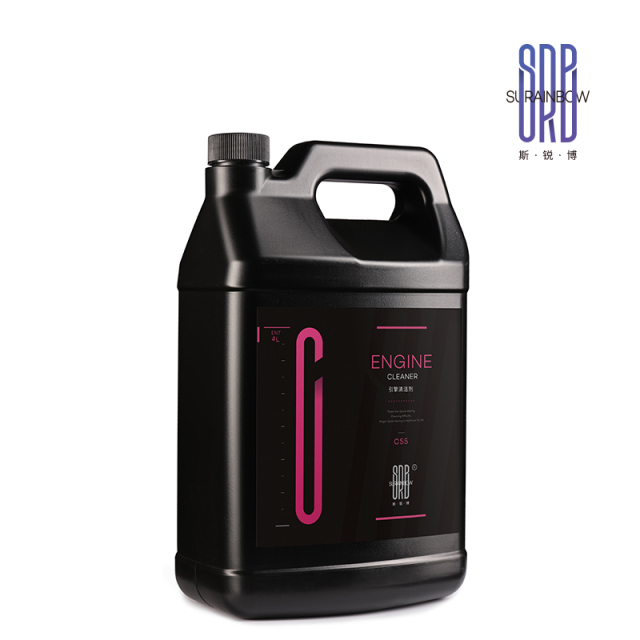
The C55 is a liquid engine cleaner and degreaser for the engine bay, the part of the car that collects oil mist, road film, dust and dried-on grease and is usually skipped during a normal wash. It is a pH-neutral car wash engine cleaner built to lift that layer of grime without a caustic mix, so a bay can be cleaned, rinsed and dressed in one visit instead of being wiped over with a rag. Oil vapour from the breather system, dust baked onto the block, coolant residue and general road film settle on the covers, hoses and inner panels. This cleaner is aimed at that everyday layer rather than at a stripped show engine: spray it on, give it a short working time, agitate the textured areas and rinse. Wash centres, detailing bays and used-car reconditioning operations use it as the first step of an engine-bay package. Inside the bay routine it takes the cleaning slot. Wash the body, then clean the bay, rinse and dry the electrics, and only then apply a dressing to the plastics if the job calls for one. Cleaning and dressing stay separate products for a reason: a dressing sprayed onto an oily surface seals the grime under the film. Importers, detailing chains and private-label brands shortlist us among car cleaning products manufacturers because the wash chemicals, the tools and the coatings arrive from one place on one document set. The jug also sits naturally on the same purchase order as the body shampoo. Distributors comparing car wash soap suppliers usually want one shipment, one document set and one reference standard across the bay, and this cleaner is built to be part of that order rather than a one-off item. Neutral on metal and paint. The formula is pH neutral and contains no strong alkaline components, so it does not attack bare aluminium, chrome, plated brackets or varnished finishes the way a caustic degreaser does. Aimed at bay grime, not at bodywork. Oil mist from the breather system, road film, dust baked onto the block and light grease are what this car wash cleaner is tuned for — the film a normal wash leaves behind. Sprays, dwells and agitates. The liquid runs cleanly through an acid- and alkali-resistant sprayer and stays wet long enough to be worked with a brush or a sponge before it dries on the surface. Rinses away with clean water. One top-down rinse carries the loosened grime and the cleaner off together, so the bay is ready to blow dry rather than to be wiped down by hand. Repeatable across staff. This is a car detailing cleaner with a fixed routine — same dilution, same dwell, same rinse — so a new starter reaches the foreman's result. Easy to add to an existing order. It travels on the same shipment as the brushes, sprayers and other car care products a bay reorders anyway.
Surfaces & Protection
Plastics, covers and hoses. Engine covers, intake mouldings, fan shrouds, hose sheathing and the wiring loom all take the spray at working dilution. The finish on those plastics is not being stripped by a caustic mix, and the rubber does not need a separate neutraliser afterwards.
Painted bay panels and strut towers. The paint inside the bay is the same factory finish as the outside of the car, which is why a car wash engine cleaner has to behave on both. If overspray reaches the wing, the bumper or the glass, rinse it off with the rest of the bay rather than letting it dry in place.
Aluminium, chrome and plated parts. Cast aluminium covers, plated brackets, chrome pipework and varnished or electroplated finishes are where a harsh degreaser shows its damage first, and they are the surfaces this cleaner is expected to meet every day.
What to cover before you start. Fuse box and relay block, the alternator, an open intake, exposed connector plugs, alarm and audio wiring, and any decals in the bay. A sheet of plastic or a clean towel over the electrics takes a minute and saves a diagnostic session.
Not a body shampoo. At 1:3 the mix is far stronger than a car shampoo, and it belongs under the bonnet only. Keep it off exterior panels and glass, and never add it to a wash bucket.
Where the wash stage stops. The shampoo a bay buys from its car wash soap suppliers is formulated for paint at a much leaner dilution, and the two products are not interchangeable in either direction: the degreaser on bodywork dulls the finish, and shampoo in the bay leaves the oil film behind.
Dilution & Application Steps
- Work on a cold engine and start at the dirtiest corner.
- Open the bonnet, let the bay cool, and begin where oil mist collects most — usually the underside of the bonnet, the front cover and the engine mounts.
- Mix to the job.
- Light dust and road film lift at the lean end at 1:8; oil mist and heavier deposits want 1:3.
- Measure the concentrate rather than pouring by eye, because a car detailing cleaner is judged on how far it goes, not on how much goes in.
- Fill a chemical-resistant spray bottle.
- The mix belongs in an acid- and alkali-resistant sprayer, and a sprayer plus a couple of brushes is really the only car care products the job needs; ordinary trigger heads are the part that fails first when a strong mix is left standing in them.
- Spray the bay evenly and let it dwell.
- Wet the surfaces you are cleaning and give the product a short working time — long enough to soften the film, short enough that it never dries on the panel.
- Agitate before it dries.
- A detail brush, a parts brush or a wash sponge lifts grime out of textured plastics, ribbed hoses and cast surfaces that a spray alone will not shift.
- Work from the top of the bay downwards so nothing runs back over an area you have already cleaned.
- Rinse with clean water, top down.
- Take the loosened grime and the cleaner off in one pass, and keep the rinse away from the connectors and electrics you have covered.
- Blow dry, then run the engine.
- Use an air gun on the connectors and exposed electrics, then start the engine for 10-15 minutes to drive off what is left before any dressing goes on.
Specifications
| Property | Value |
|---|
| Product name | Engine cleaner and degreaser |
| Model | C55 |
| Pack size | 4 L |
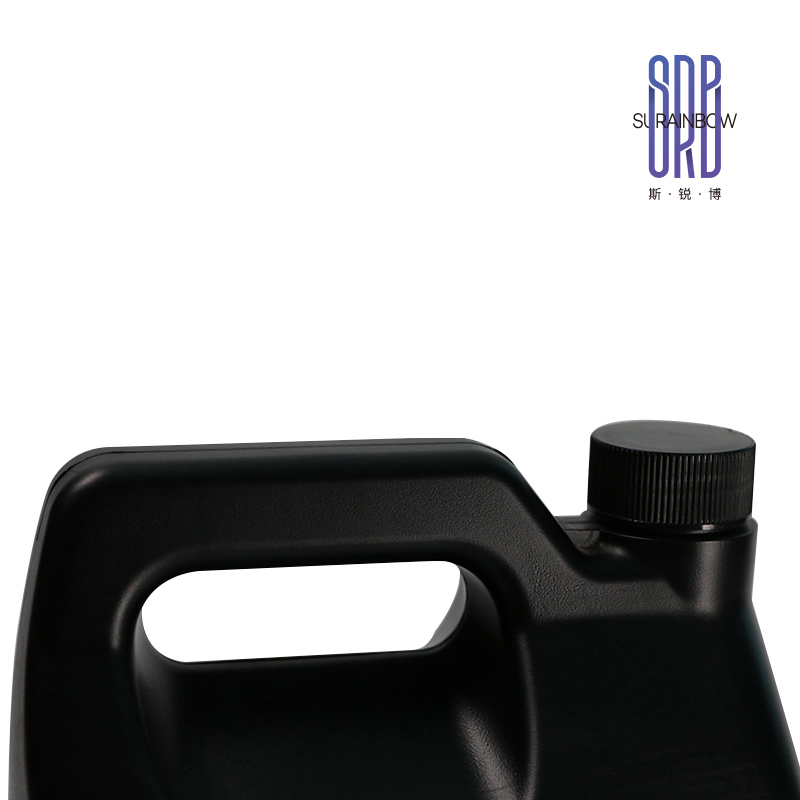
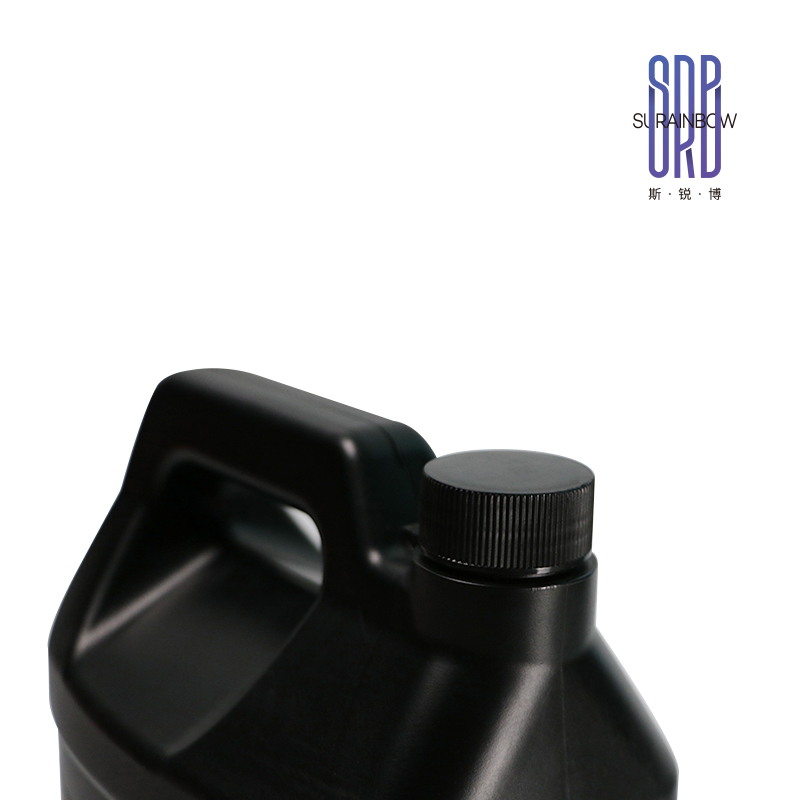
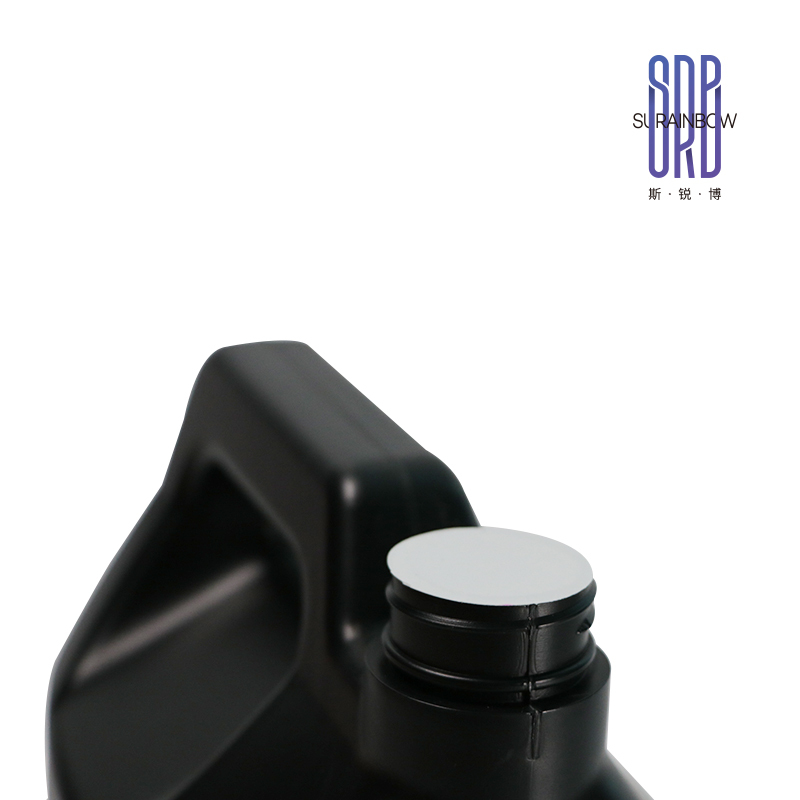
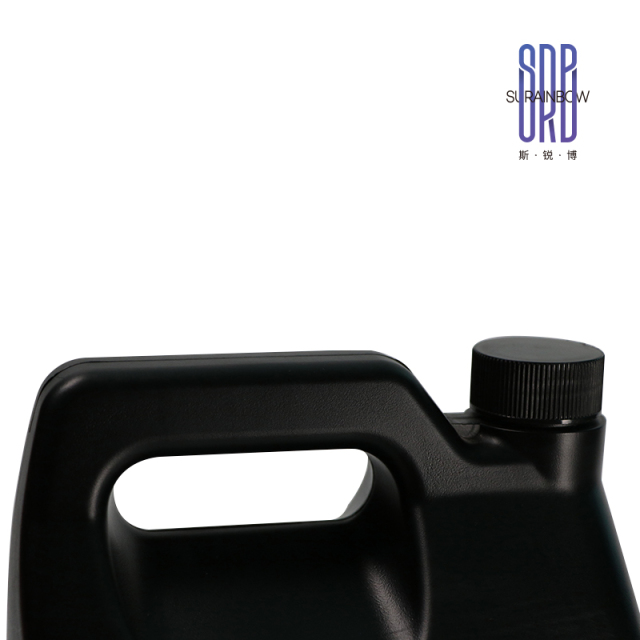
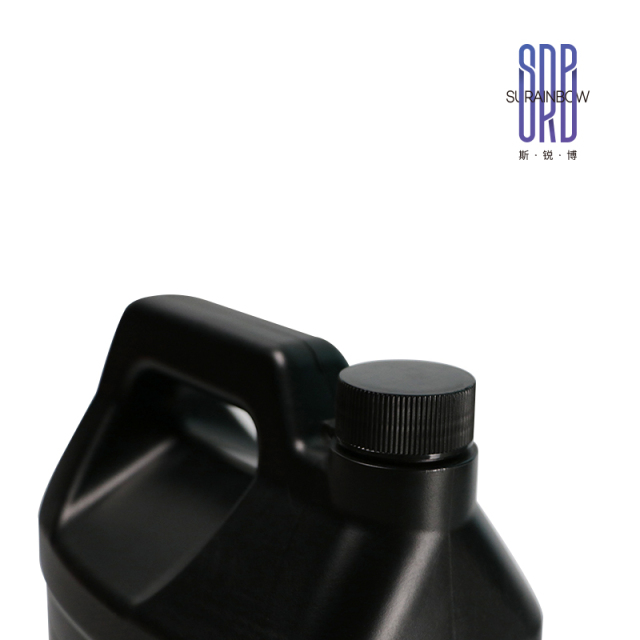
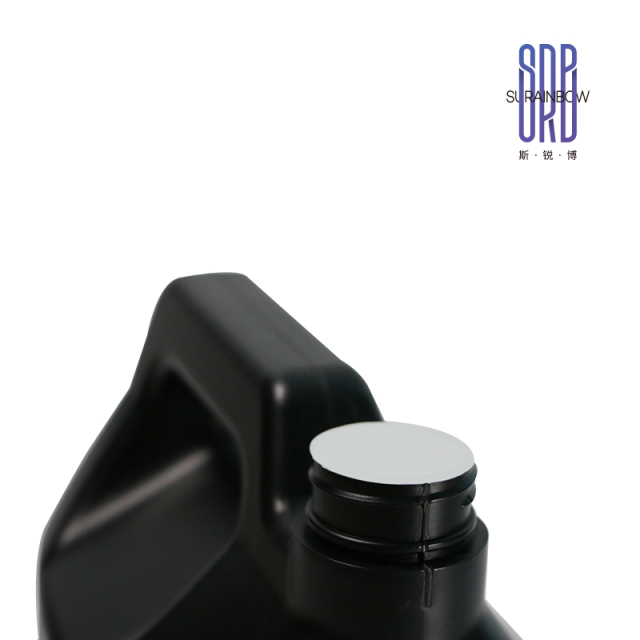
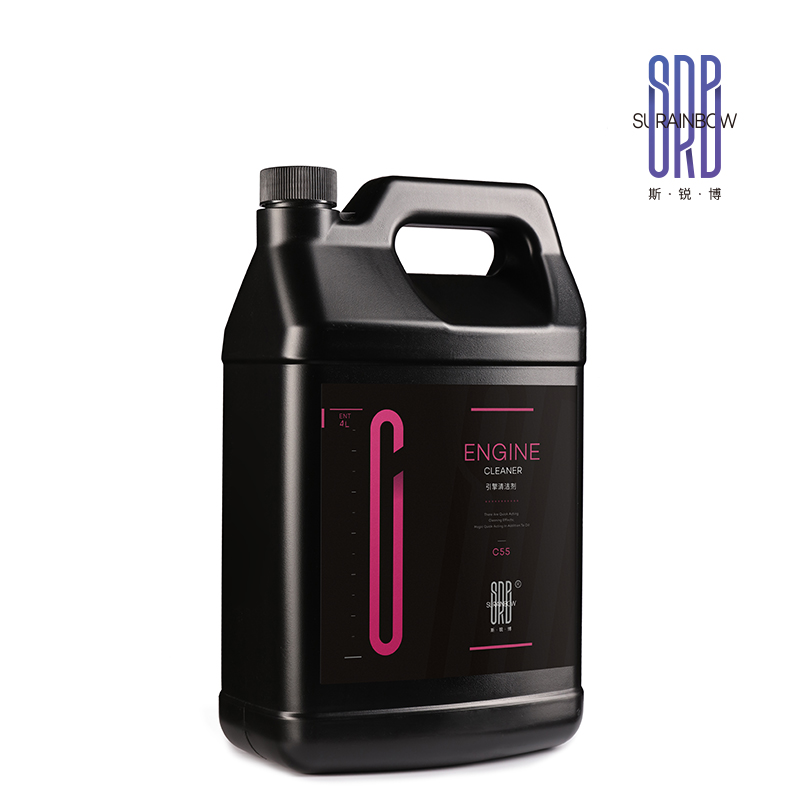
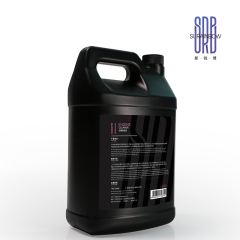
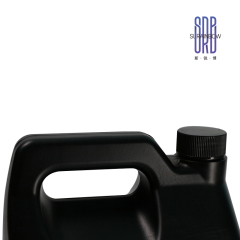
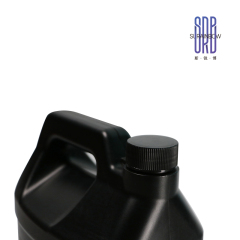
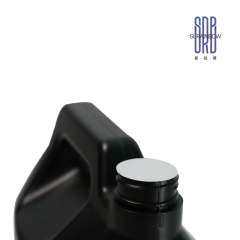
| Container | Plastic jug with moulded handle and ribbed screw cap |
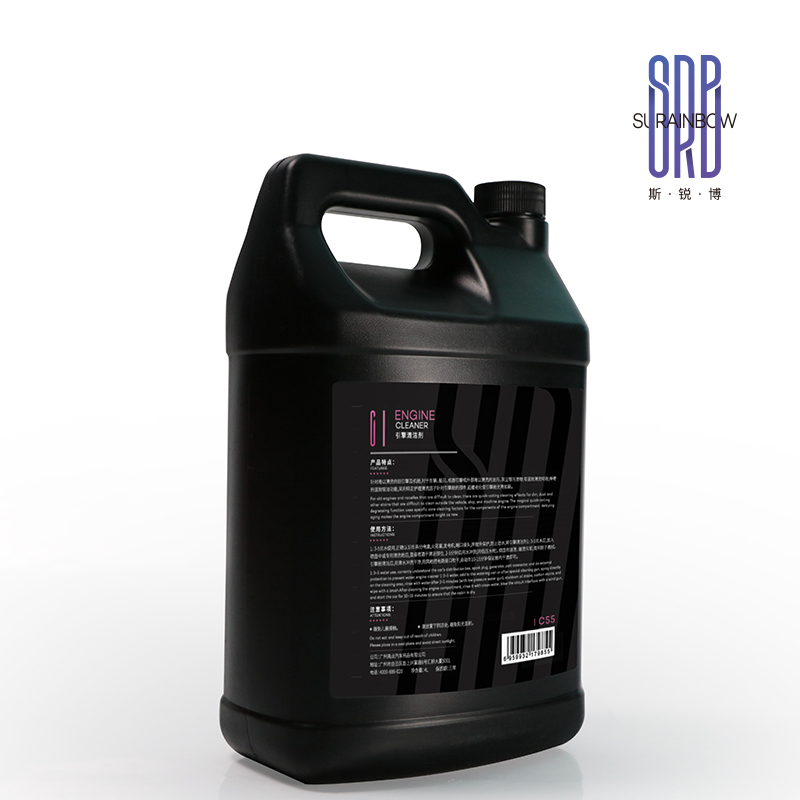
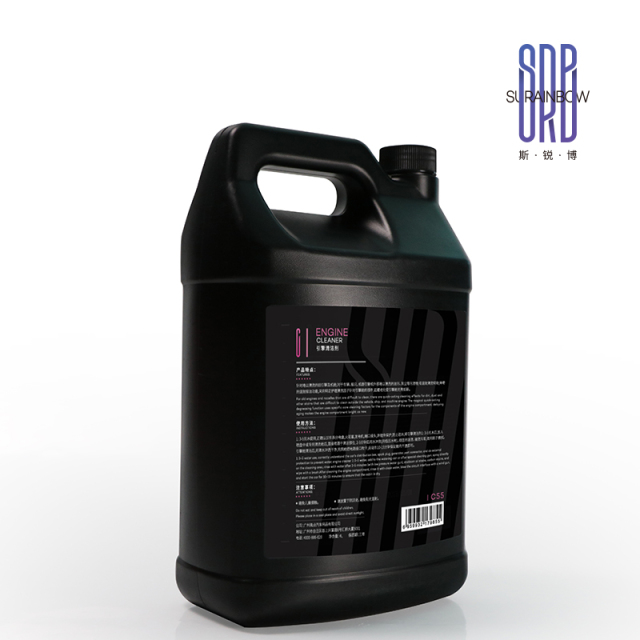
| Label | Printed front and back labels, barcode on pack |
| Product type | Liquid car wash cleaner for engine bays |
| Dilution | 1:3 to 1:8 with water |
| pH behaviour | Neutral, no strong alkaline components |
| Application | Spray on, agitate, rinse with clean water |
| Main surfaces | Engine plastics, hoses, painted bay panels, cast aluminium, plated brackets |
| Range | SURAINBOW car care products |
| Shelf life | Confirm on the pack for your batch |
Sampling & Packaging Proofing
- Send the brief.
- Tell us the surfaces you clean most, the market you sell into and the pack size you want, and confirm which car wash cleaner and which model the sample should match.
- Test the concentrate on the surfaces that matter to you.
- Run it at 1:3 and at 1:8 on a scrap cover or a bay you already know, note the dwell time and the rinse, and record the result — that record becomes the reference for the bulk run.
- Seal an approved sample.
- Once performance and appearance are agreed, the approved sample is sealed as the acceptance reference for production, with the specification and the agreed tolerances written into the order confirmation.
- Proof the artwork and the carton.
- Labels, carton print, barcode data, label language and shipping marks are checked on a proof before production; you approve the artwork file and the label copy, and that version is held for the run.
- Confirm the sample scope first.
- Sample size, courier arrangements and any applicable sample charges are settled with your sales contact before dispatch, so nothing arrives unannounced.
- Sign off a pilot carton.
- Carton count, closure and pallet marks are checked on one filled carton before the bulk run.
- It is the last low-cost moment for a change, which is exactly why car cleaning products manufacturers run it before every large batch.
Trade Terms & After-Sales
- Stock position.
- In stock and fast shipping — the engine cleaner is held alongside the shampoo and the tools, so a mixed order leaves as one consignment wherever the stock position allows.
- Order scope and cartons.
- Model, pack size, quantity, carton configuration and MOQ are confirmed on the quotation for your market, since the minimum is set per model rather than across the range.
- Buyers restocking car care supplies usually combine this cleaner with shampoo, brushes and sprayers on one order.
- Documents.
- A safety data sheet is available for the product, and the export set can include a certificate of analysis, GHS label information, commercial invoice, packing list and customs documents — confirm the list for your destination when you order.
- Labels for your market.
- Label copy, language, barcode data and claims are reviewed with you against the destination market.
- That review supports the artwork; local registration and market approval stay with the importer.
- Payment and dispatch.
- Payment method, currency and the balance stage before dispatch are set out in the commercial offer, and the balance and dispatch confirmation are settled before the goods leave.
- Sea, air, rail and express arrangements are quoted against your Incoterm, including DDP where it suits the destination.
- After-sales and traceability.
- Report a packaging, leakage or shortage issue within 7 days of receipt and a quality concern within 30 days, quoting the order reference, batch number, affected quantity and photos.
- Batch records and retained samples let us compare your batch against the approved reference rather than against memory.
- Private label and OEM.
- This line runs as SURAINBOW stock and under buyer branding.
- Planning a first order.
- Most bays start with car shampoo, a wheel cleaner and this engine cleaner together, because one without the others leaves a gap in the service.
- Send the list and the quantities and we will quote it as one shipment.
Scale & Supply Capability
SURAINBOW is run by Guangzhou Liangdian Automotive Supplies Co., Ltd., a factory-trade operation set up in Guangzhou in 2010 and now 50 people strong. We take OEM and ODM work and our R&D team develops to your specification. Buyers in the Middle East, the United States, Southeast Asia, Europe, the UK, Russia, Africa and Australia already order from us.
FAQ
Which parts of an engine bay can this cleaner be used on?
It suits the surfaces a bay actually collects grime on: engine covers and plastic mouldings, hoses and loom sheathing, painted inner panels and strut towers, cast aluminium castings, and plated or chrome brackets. It is a car wash engine cleaner for under the bonnet — not a product for bodywork, glass, wheels or interior trim.
How do I choose between the 1:3 and 1:8 dilution?
Match the mix to the film. A light dust and road-film layer on a bay that is cleaned regularly lifts at 1:8; oil mist, coolant residue and the build-up around the front cover and mounts want 1:3. Start lean and step up only where the surface needs it, because a car detailing cleaner is judged on how far the concentrate goes and a stronger mix than the job needs only costs money and rinse time. Mix fresh each time and do not leave it standing in the sprayer.
Do I need a separate shampoo for the bodywork?
Yes. Paintwork needs a car shampoo at a much leaner dilution, and this concentrate is far too strong for it. Run the body through its normal wash first, then bring the car in for the bay — keeping the two stages apart protects the paint and gives a better result under the bonnet.
Can I use it on wheels, tyres or interior trim as well?
No. Wheels, tyres, glass and interior trim each have their own products in the range, and this one is formulated for the engine bay. If you are consolidating an order, put a body shampoo and a wheel cleaner beside it rather than substituting it — the shampoo is the item you would normally take from your car wash soap suppliers, and it does a different job.
Is it safe on painted panels and plated trim?
It is used around painted inner panels, chrome, plated brackets and cast aluminium, which is most of what a bay is made of. Two habits keep it that way: rinse any overspray off exterior paint and glass instead of letting it dry, and test an unfamiliar or uncoated surface on a small area before you spray the whole bay.