Product Overview
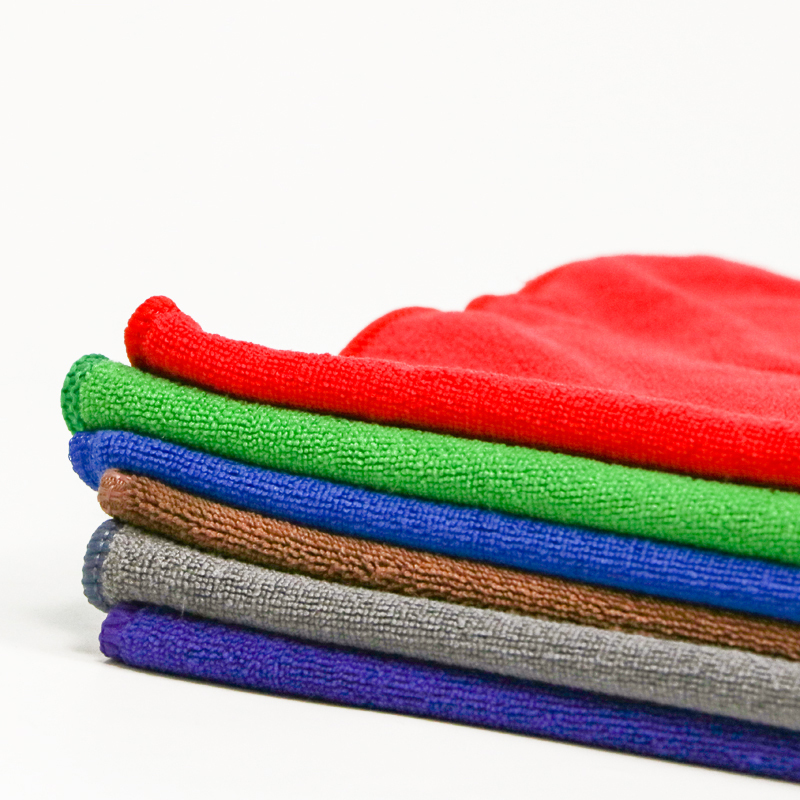
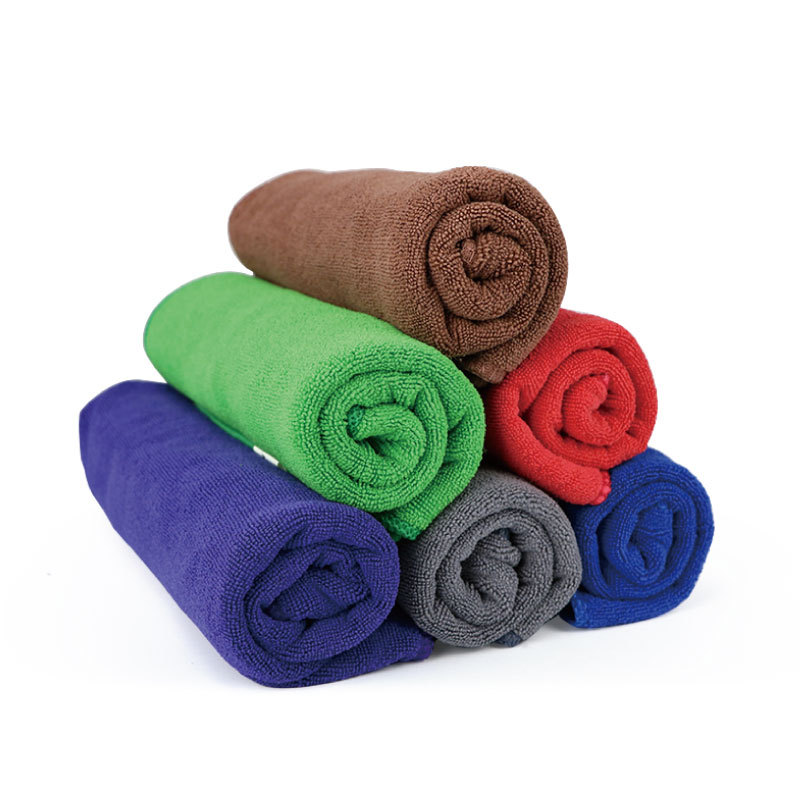
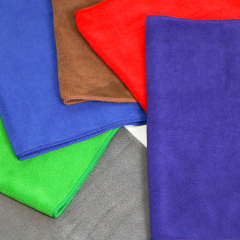
The Car Wash Microfiber Cloth is the piece a detailing bay reaches for all day: 33 x 65 cm of soft microfiber, made for wiping a car inside and out, and supplied in six colours. The size is deliberate. One cloth covers the jobs a bay would otherwise buy two or three sizes for — folded into quarters it works a mirror, a door handle or a console; opened out it takes a bonnet or a windscreen in one pass. A shop can keep a single item on the shelf and still have the right cloth in hand for every job. Shops buy it by the hundred rather than the piece. Studios go through cloths at the same rate they go through shampoo, so it is treated as a consumable: bought in a colour split that matches the work in the bay, reordered before the shelf runs empty, and often labelled with the shop's or the distributor's own brand. The cloth is a small item with a long repeat life, which is why it stays in the range. It sits in the car care supplies side of the catalogue, next to brushes, applicators and wash chemicals. For a distributor that means one purchase order can cover the tools and the liquids a customer buys together; for a detailing business it means the cloth arrives on the same schedule as everything else the bay uses.
Key Features
- A working size. 33 x 65 cm is large enough to fold into quarters and still cover a panel, which is how most detailers use it: a fresh face for each section and a dry face for the final wipe.
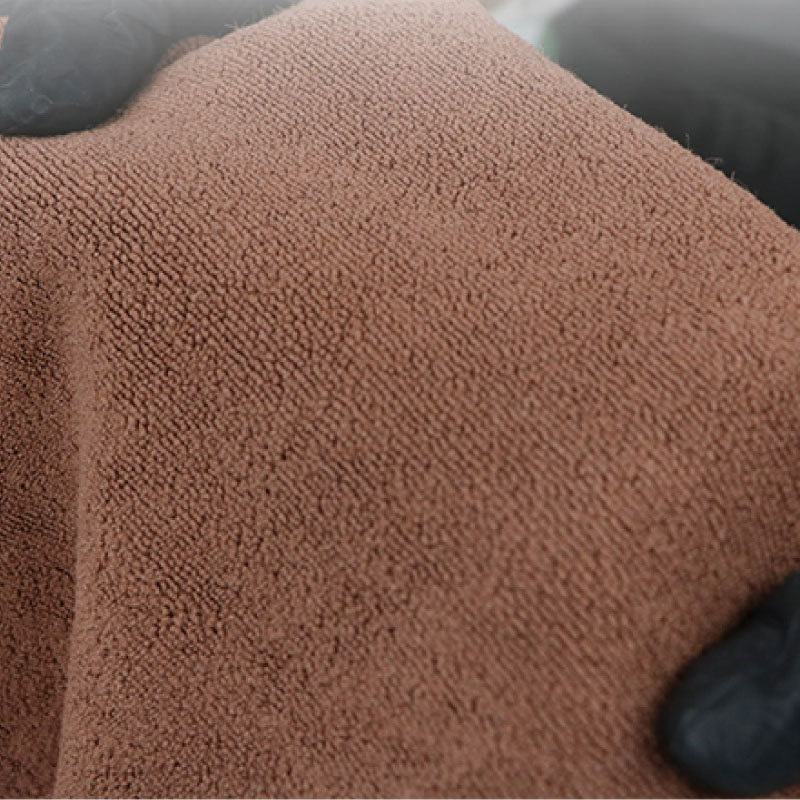
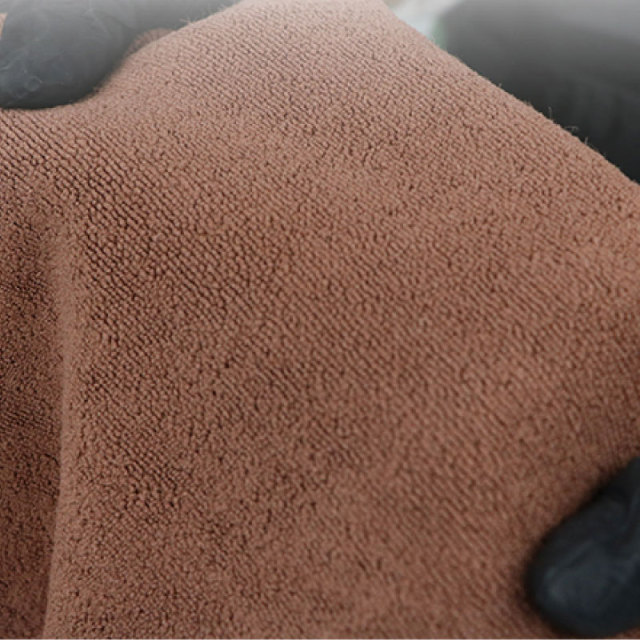
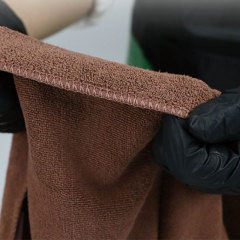
- Pile that lifts instead of drags. The plush microfiber face picks up dust, dried water marks and the film a car wash cleaner leaves behind, carrying it into the cloth rather than pushing it across the panel.
- A cloth, not a towel. It is built for a wipe-down — panels, glass, trim, door shuts — rather than for soaking up a whole car's rinse water, which is a separate job for a heavier towel.
- Wet or dry. Use it damp to take off what a car wash shampoo has loosened, wring it out for a streak-free final wipe, or keep a dry one for the last check before handover.
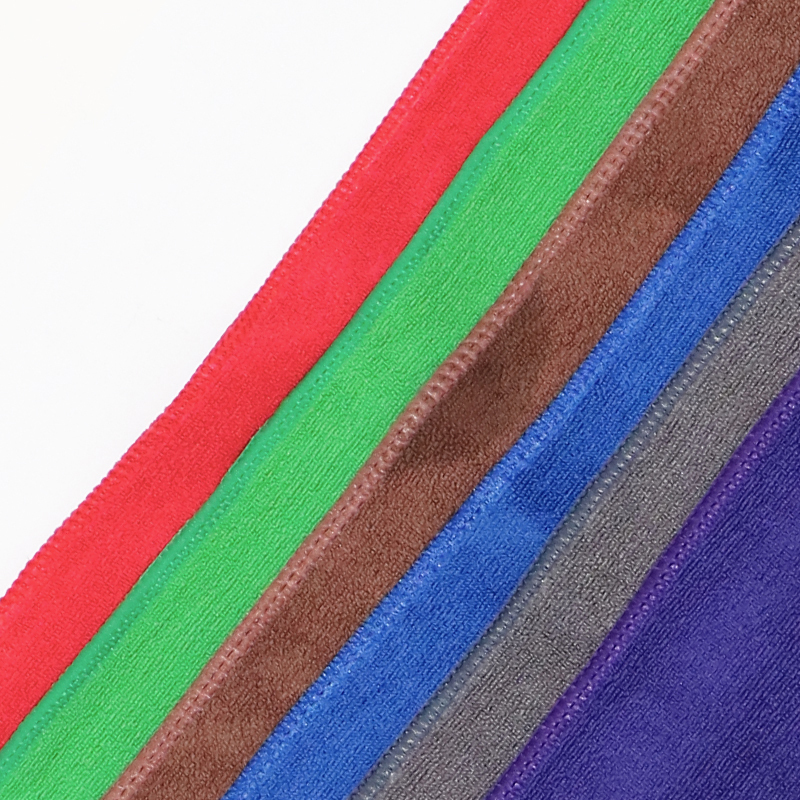
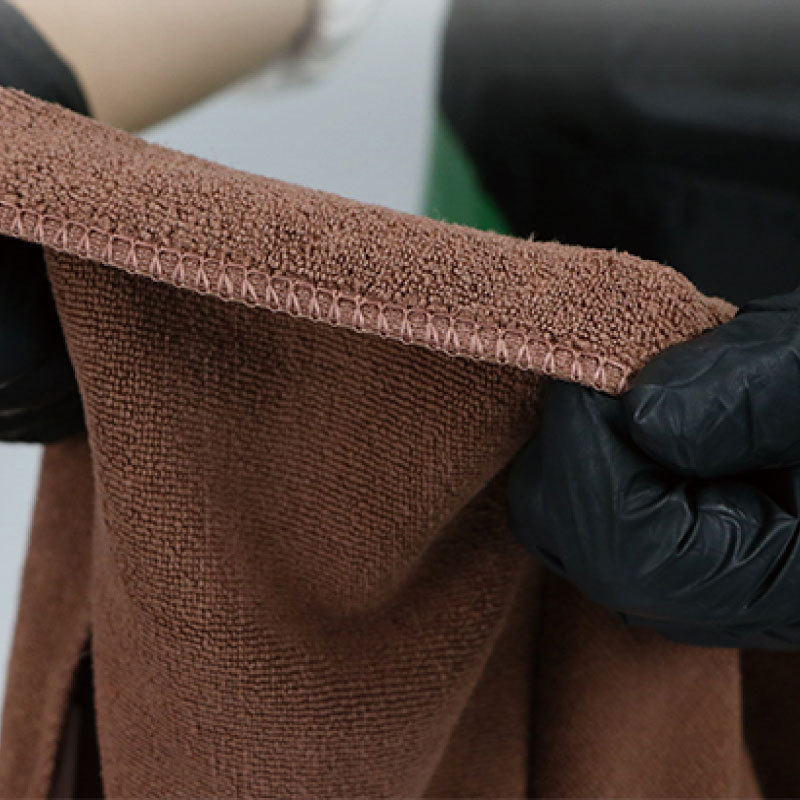
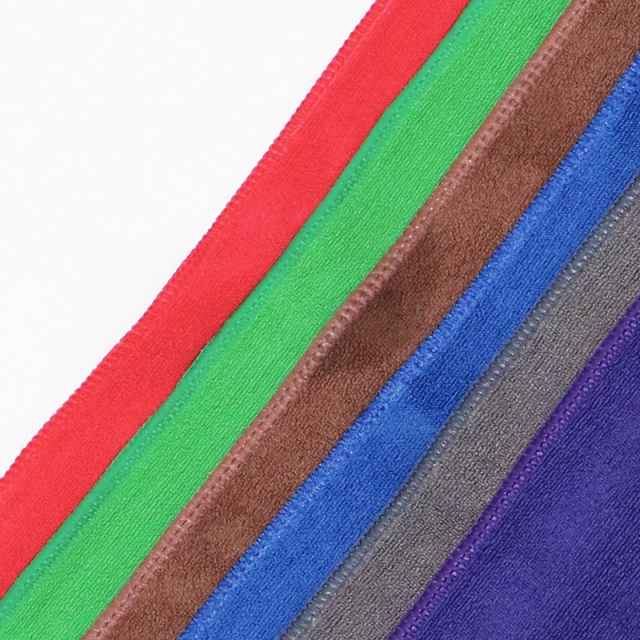
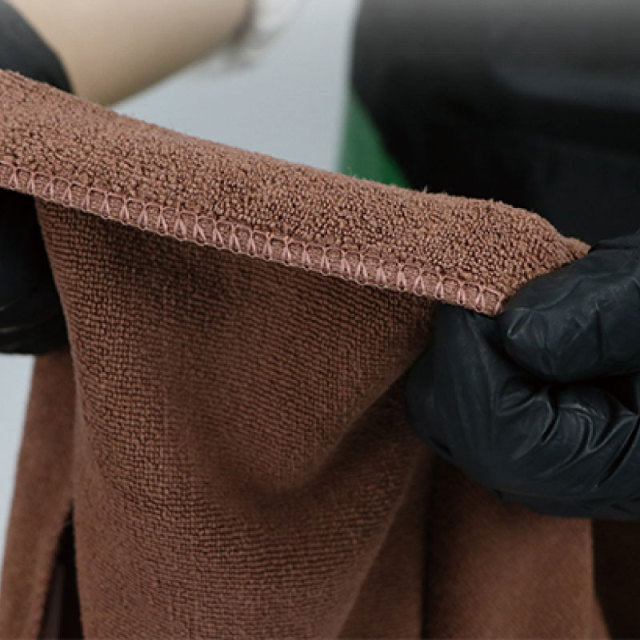
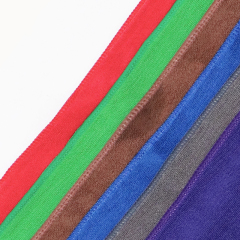
- Edges built for repeat washing. The cloths are finished with a stitched edge — the part that usually fails first when a cloth is washed and reused week after week.
Material & Build
The cloth is microfiber: fine synthetic fibre, split so that each strand carries thousands of tiny edges. Those edges trap dust and hold water, which is why a cloth like this lifts a dried water mark instead of smearing it, and why one cloth can move from paint to glass to trim without changing product.
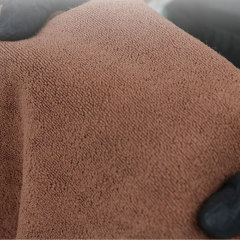
The pile on this model is plush and closely packed. That gives a soft face against the panel and enough body to stay flat in the hand when the cloth is wet — it works the surface rather than skating over it.
Construction is simple and consistent, which is what a repeat buyer wants from a consumable. The cloth is cut square, the pile is even across the face, and the specification stays fixed from one production run to the next, so a second order can be compared with the first.
We do not publish a gram weight for this model. If weight, pile height or blend has to match an existing car care products specification in your range, say so with your enquiry and we will confirm what current production runs at before you commit.
Colour Range & Task Coding
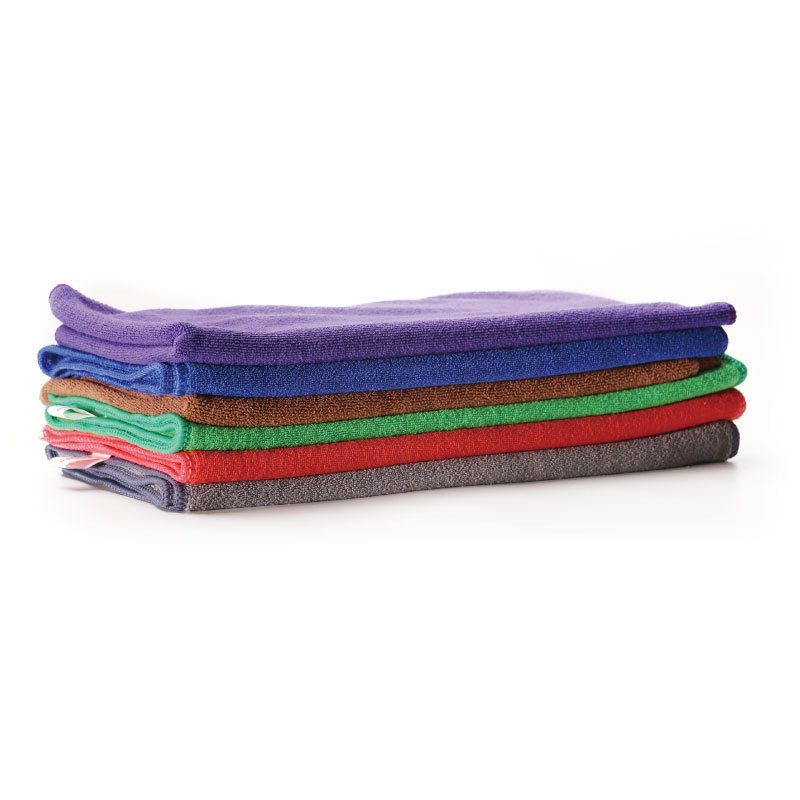
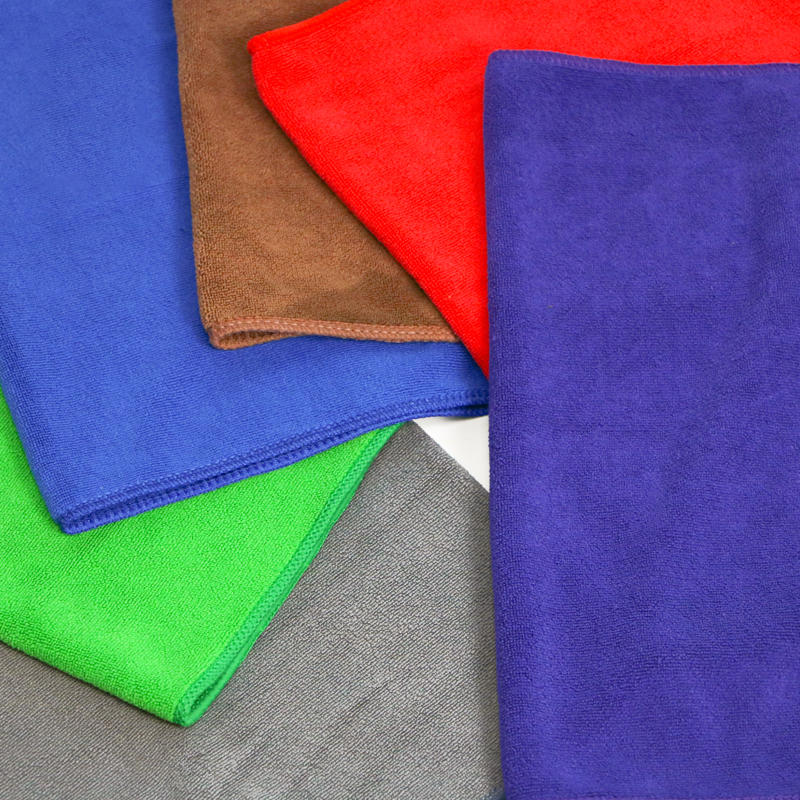
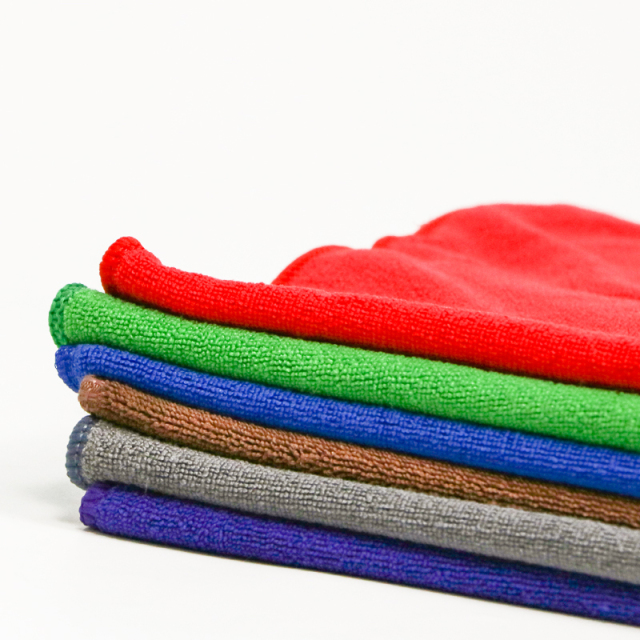
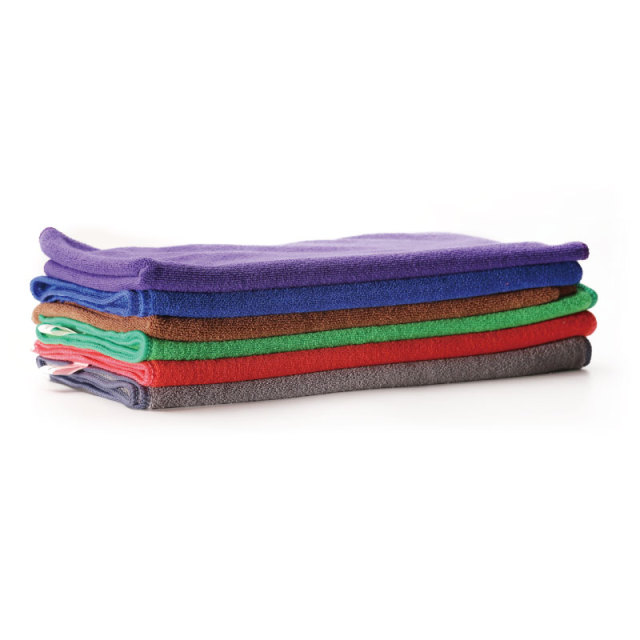
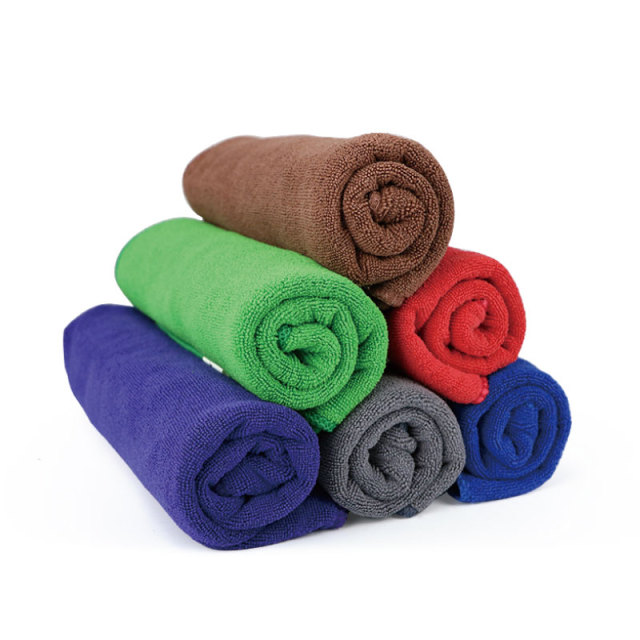
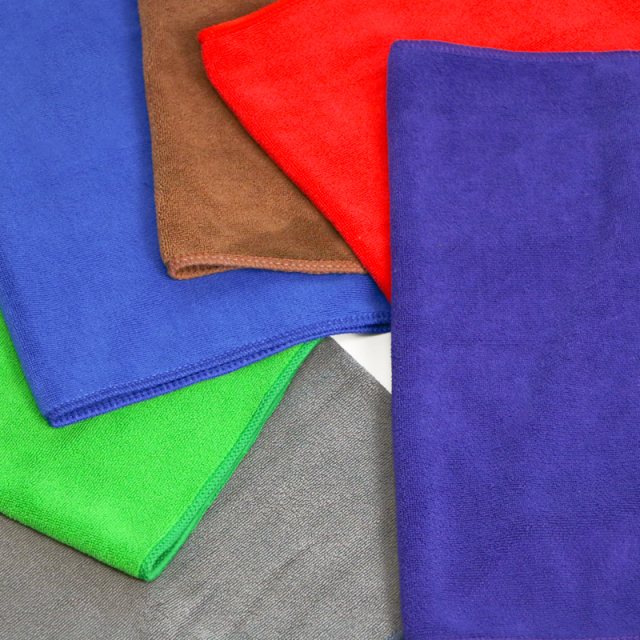
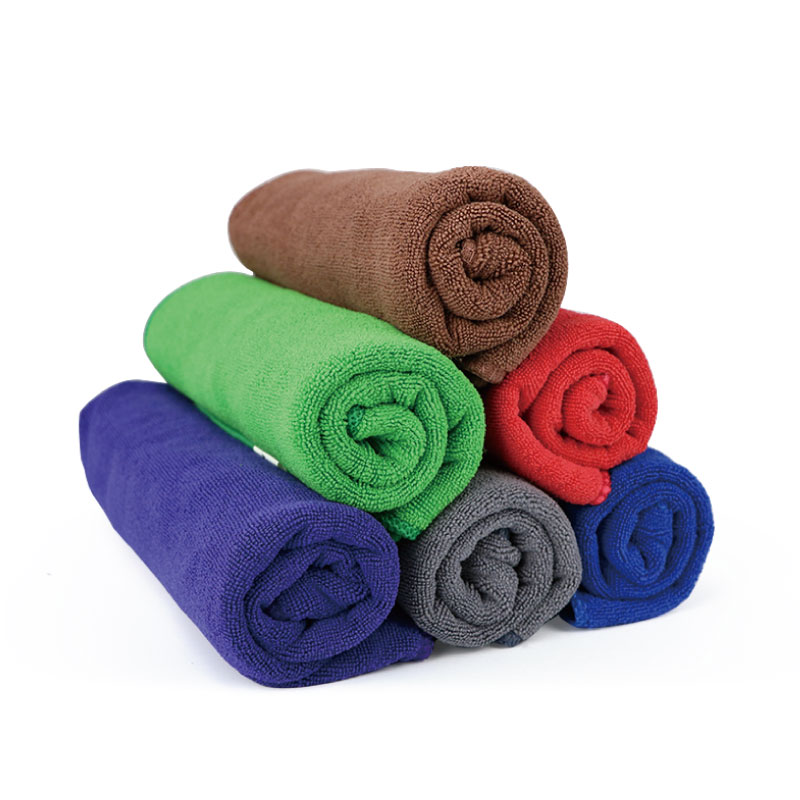
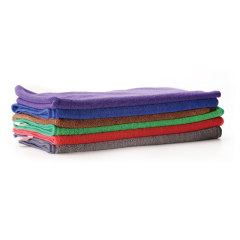
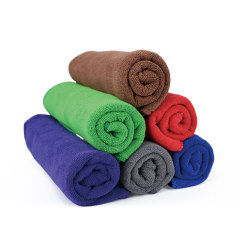
- Colour is the only difference. Red, blue, green, gray, purple and coffee are the same cloth: same size, same pile, same stitched edge. One item on the shelf, six ways to tell the jobs apart.
- A colour per task. Most bays settle on one colour for paint and drying, another for glass and mirrors, a third for interior trim, and a darker one for wheels, arches and sills — the work that should never come near a panel.
- Process control, not decoration. Coding stops the cloth that has been used with a car detailing cleaner or a wheel cleaner from being picked up by mistake for the final buff, which is exactly how swirl marks get introduced.
- Faster training and checking. New staff learn the system in a shift, and a supervisor can see at a glance whether the right cloth is in the right hand or lying on a seat.
- Keeps the wash stage separate. Drying cloths stay a different colour from those used during the car wash shampoo stage, so a damp shampoo cloth never ends up doing the final wipe.
- A range that reads well on a shelf. For a distributor or a shop serving end users — and for car cleaning products manufacturers building a range — six colours on a peg or in a stack look like a proper range rather than one anonymous towel.
Where the Cloth Is Used
In a fixed wash bay the cloth is often the last thing that touches a car before the owner sees it. After the rinse and the blow-down it takes the remaining water off glass, mirrors, sills and door shuts, then runs over the paint as a final check for anything the wash missed.
Interior work uses the same cloth in a different colour. Detailers keep a damp one for dashboards, door cards and consoles after a car detailing cleaner has been worked in, a dry one for screens and piano-black trim, and a separate colour for pedals, sills and the boot, where grit collects. Soft and thin enough to work into seams, it reaches around seat rails and vent surrounds where a sponge will not go.
Glass is a job of its own. A clean, dry cloth with a light mist of car wash cleaner, followed by a second dry cloth to finish, is the standard two-cloth method — it works because the microfiber lifts the film instead of pushing it around the pane.
Mobile detailers and dealership prep teams work the same way in less space: a folded stack goes in the van, wet work is done first, and the same cloths finish the interior before the car is handed back. On a showroom floor or a resale lot, a cloth and a spray bottle are often the whole between-customer routine.
For a distributor, these are the reasons the cloth belongs in the car care supplies section of a catalogue rather than with the specialist tools: it is used on every car, in every bay, every day, and it wears out doing it.
Use & Care
- Rinse it before it dries. A cloth left loaded with shampoo, polish dust or grit goes stiff and starts to scratch. Rinse it in clean water at the end of the shift and wring it out.
- Wash colours separately. Keep the colours apart in the machine, and wash new cloths once before they go near an interior — that first wash is where loose fibre comes out.
- Skip the softener. Fabric softener and dryer sheets coat the fibre and cut down how much the cloth picks up. Detergent on its own is enough.
- Detergent, not bay shampoo. The car wash shampoo used on the forecourt is formulated for paint and rinse water, not for textiles, and it can leave a film that makes the cloth feel slick.
- Dry it properly. A warm, gentle tumble or a line in the shade both work; long exposure to high heat is what shortens the life of the pile and the stitching.
- Retire it on time. When a cloth stops absorbing, starts leaving lint on glass, or holds grit that will not rinse out, move it to the dirtiest jobs or out of the bay. It should not go back on paint.
Specifications
| Property | Detail |
|---|
| Product name | Car Wash Microfiber Cloth |
| Type | Towel, cleaning cloth |
| Model | T-635 |
| Size | 33 x 65 cm |
| Material | Microfiber |
| Pile | Plush, soft face |
| Edge | Stitched |
| Colours | Red, blue, green, gray, purple, coffee |
| Use | Wiping the car interior and exterior |
| Brand | SURAINBOW |
| Origin | Guangdong, China |
Sampling & Approval
- Send the brief first: colour split, quantity, whether the cloths will carry your label, and the surfaces they will be used on. Buyers comparing car cleaning products manufacturers usually start here, because the answer decides whether a second conversation is worth having.
- Ask for a sample cloth and wash it before you judge it. New microfiber feels different from washed microfiber, and the washed one is what your staff will actually be using.
- Test it on the surfaces you care about — dark paint under a work light, a tinted window, the trim you clean most often. Note how it feels in the hand, whether it leaves lint, and how the dirt releases when it is rinsed.
- Agree the reference in writing: size, colour, pile, packing and label. From that point the approved piece is the standard the bulk order is measured against, so be specific about what you are approving.
- Confirm the sample and courier arrangements before dispatch, so both sides know what is being sent and what is being evaluated.
Ordering & Delivery
- Minimum order. 100 pcs per order, and you choose how that splits across the six colours. Tell your sales contact the mix you want rather than leaving it to the packing line.
- OEM and private label. OEM service is accepted, so the cloth can carry your own label and packing. Artwork, label language and barcode details are reviewed before production, and you will be asked to confirm you hold the rights to any trademark you supply.
- Packaging design and proofing. Bulk polybag, consumer pack, carton marks and shipping marks are settled at proofing. Approve the artwork and the pack specification in writing; the approved version is what the bulk packing is checked against.
- Payment and balance. Payment method, currency and schedule are set out in the quotation. Confirm the deposit, the balance and the payment status before shipment is arranged.
- Documents. For a textile item the usual set is a commercial invoice, a packing list and shipping marks. If your market asks for a declaration, a composition statement or a test document, raise it during the quotation so the right paperwork can be prepared.
- In stock and fast shipping. SURAINBOW holds this cloth in stock, so a repeat order can be dispatched quickly. Confirm the shipping method, route and timing for your destination in the quotation.
- Mixing with the rest of the order. Distributors often build a car care supplies order around the cloth, adding brushes and wash chemicals; list each item separately so packing and documents stay clear.
- What to confirm before dispatch. Inspection arrangement, consignee details, carton marks and the final document set. A short written confirmation at that point prevents most handover delays.
After-Sales & Batch Traceability
Cloth is a simple product, but a shipment of it can still go wrong: a carton arrives short, a colour does not match the approved sample, or the cloths feel different from the last delivery. The fastest route to a fix is a message carrying the order reference, the batch, the affected quantity and photographs of what arrived.
Report packing damage or a shortage within 7 days of receipt, and a quality concern within 30 days. Production is recorded by batch, so a question about a delivery can be traced back to the run it came from and compared with the retained sample from that run — the only reliable way to tell a production change from a cloth that has simply been used hard.
If a colour or a pile looks off against your reference, keep one piece exactly as it arrived, photograph it beside the approved sample, and send both. That record usually settles the question quickly and keeps the rest of the carton out of the argument.
The same standard applies across our car care products: the reference is what you approved, not what the invoice describes. Keep your approved cloth labelled with the date and the order number, and every later delivery can be checked against it in a minute.
Scale & Supply Capability
SURAINBOW is run by Guangzhou Liangdian Automotive Supplies Co., Ltd., a factory-trade operation set up in Guangzhou in 2010 and now 50 people strong. Sixteen years in car care have given us a one-stop supply position: our own SURAINBOW lines are held in stock for fast shipping, and an associate factory with modern production equipment and an established quality management system keeps replenishment moving. We take OEM and ODM work and our R&D team develops to your specification. Buyers in the Middle East, the United States, Southeast Asia, Europe, the UK, Russia, Africa and Australia already order from us.
FAQ
What can this microfiber cloth be used on?
Exterior paint, glass and mirrors, interior trim, dashboards and door cards — the indoor and outdoor wiping it is supplied for. It is soft enough for piano-black trim and for the screen in the middle of the dash, but finishes vary: test a new cloth on a small hidden area first, especially on matte or freshly painted surfaces. For glass, use one cloth with a light mist of car wash cleaner and a second dry cloth to finish.
Are all six colours the same cloth?
Yes. Red, blue, green, gray, purple and coffee are the same 33 x 65 cm microfiber cloth, with the same pile and the same stitched edge; colour is the only difference. That is deliberate — it lets a shop or a distributor stock one item and still run a colour system, instead of ordering six different cloths.
Can the cloth be used wet, or is it a dry-only cloth?
Both. Most of the work is done damp: mist the panel or the cloth, wipe, then finish with a dry cloth. A damp cloth is also what you want on interior surfaces after a car detailing cleaner has been worked in, while a dry one is better for glass, screens and the final look over the paint.
Will a new cloth leave lint or dye on light-coloured trim?
Wash new cloths once before they go near an interior, and keep the colours apart in that first wash. After that, a cloth that is rinsed after use and washed without softener should not leave lint on glass or trim. If you are working on a very light interior, test one cloth on a hidden section before the whole set goes into service.
Can we have our own logo or label on the cloth?
Yes. OEM service is accepted on this cloth, as on the rest of our car care products — your label, your pack, your carton marks. Send the artwork with the enquiry, confirm that you hold the rights to the trademark you supply, and approve the proof before the bulk run starts.