It is a kind of hard protective coating specially used for the care of key parts such as automobile paint surface, glass, tire, wheel hub, seat, engine, interior decoration, exterior trim and so on.
Product Overview
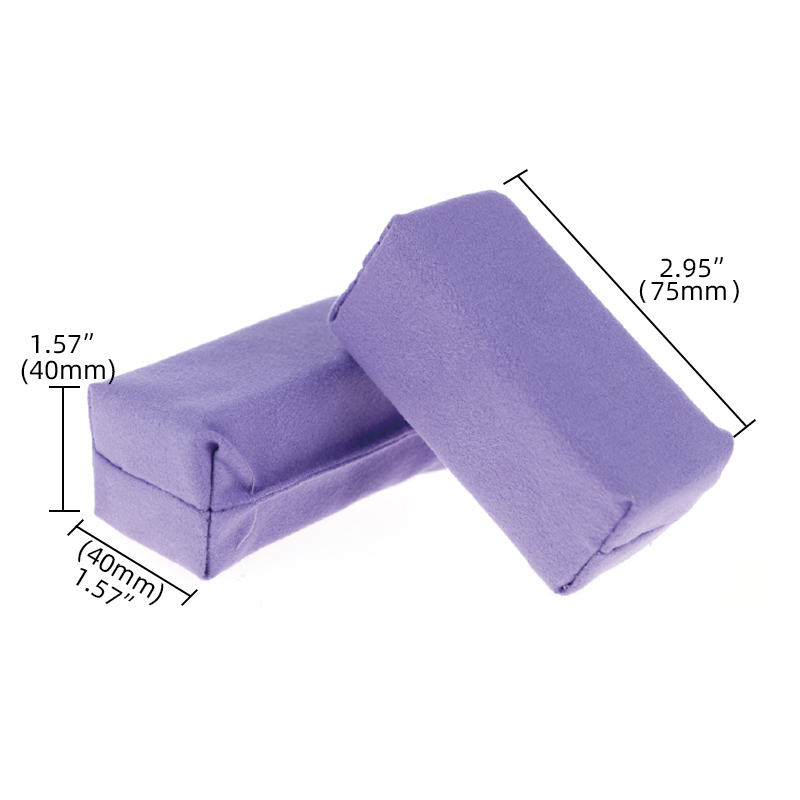
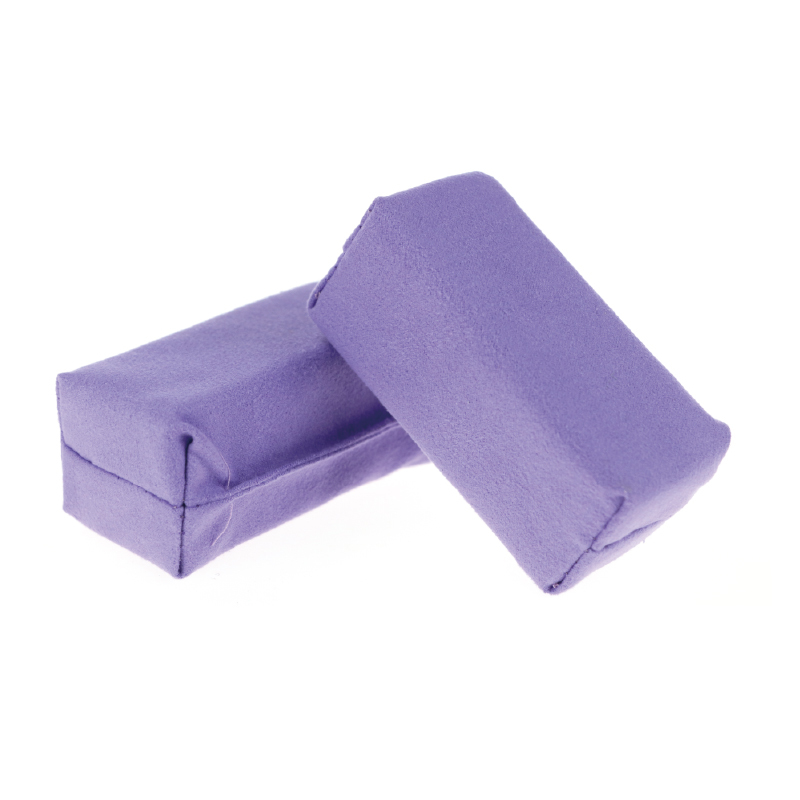
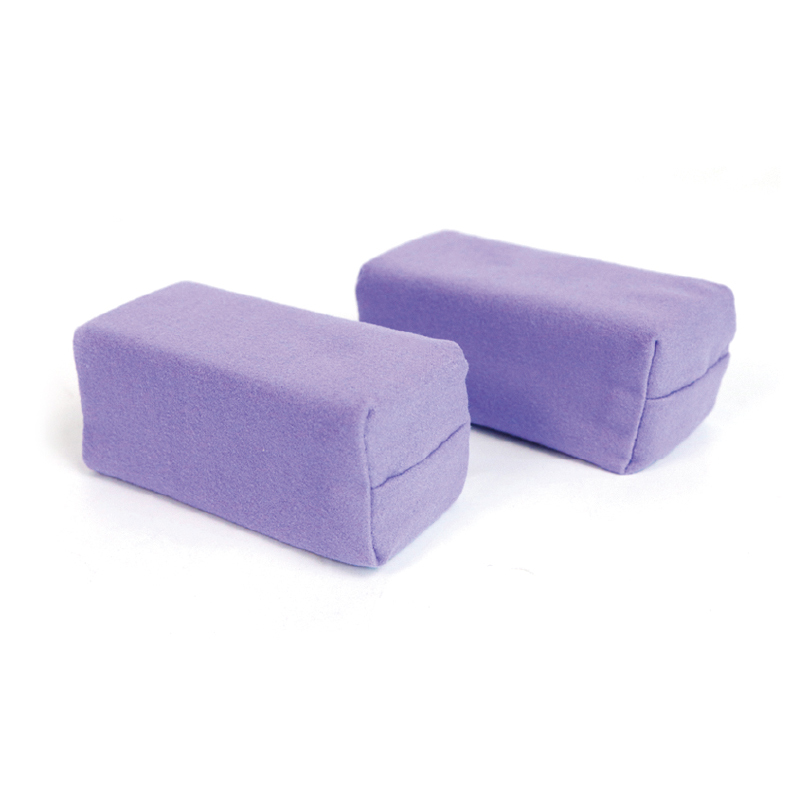
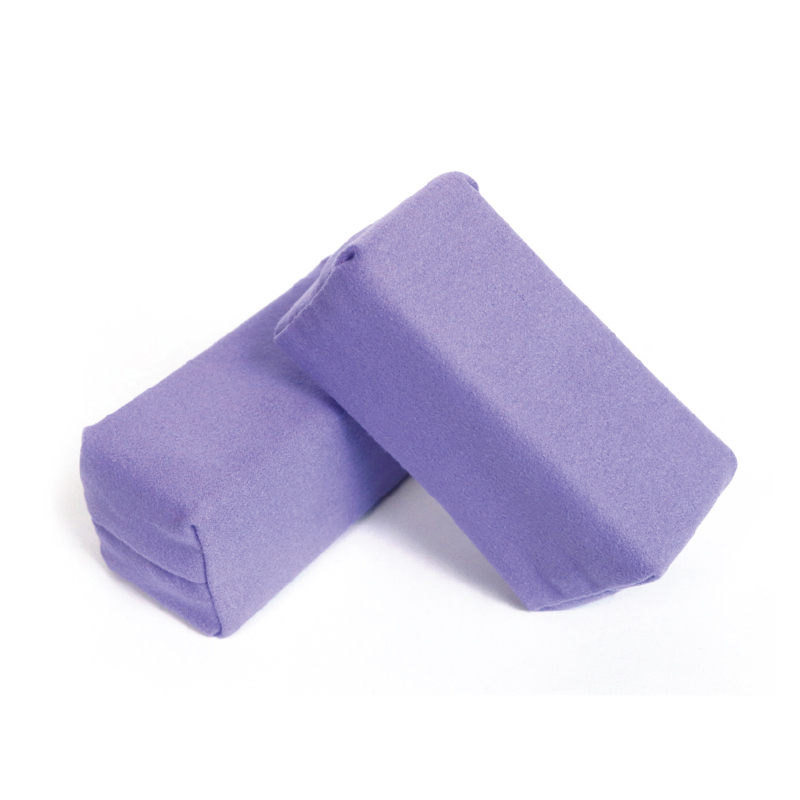
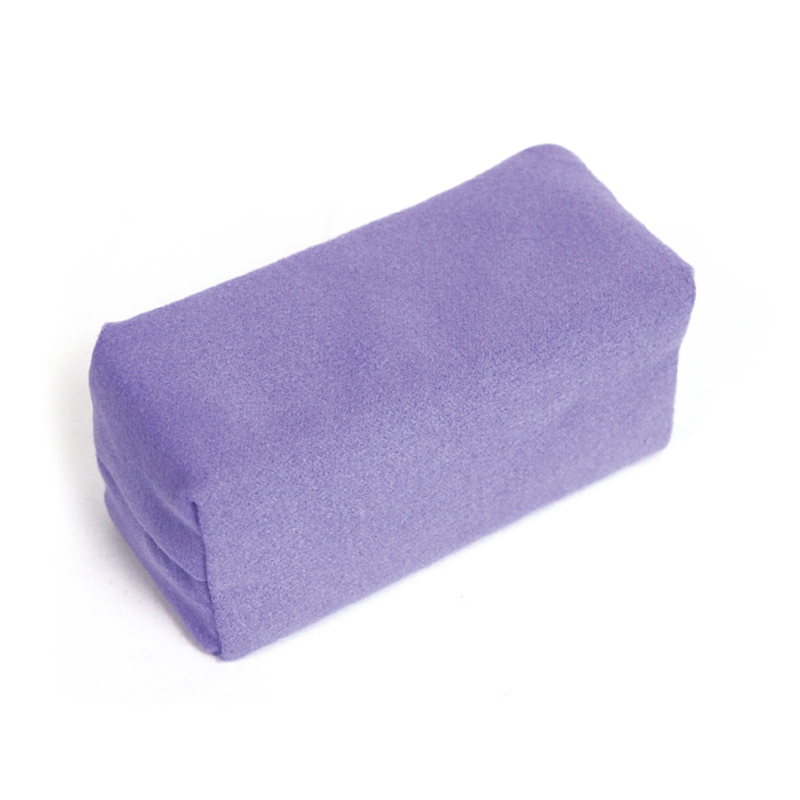
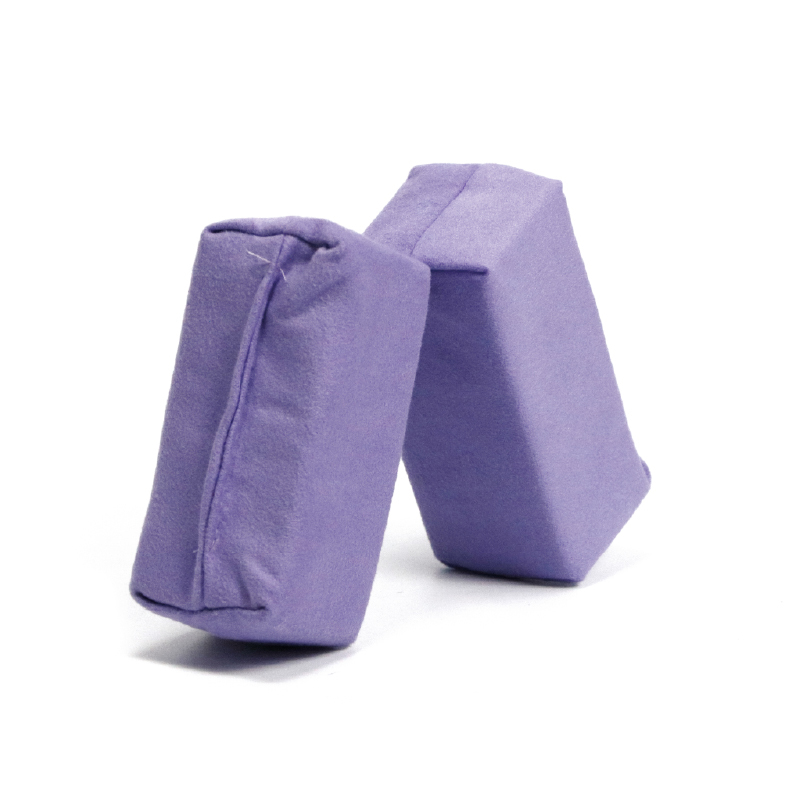
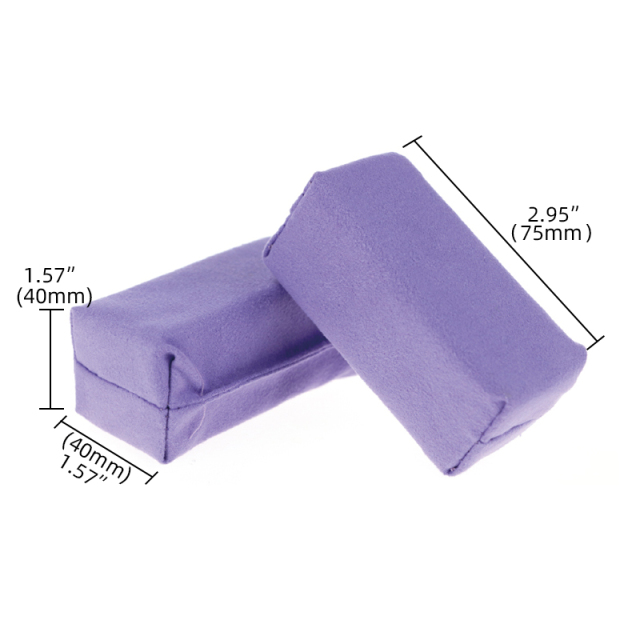
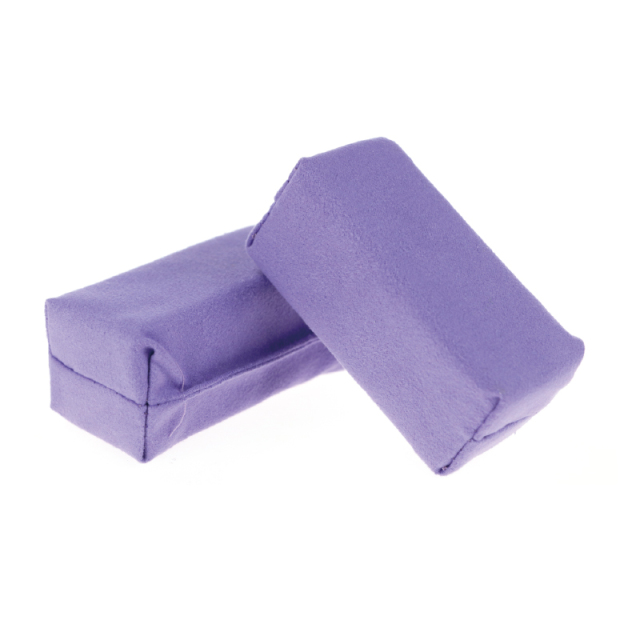
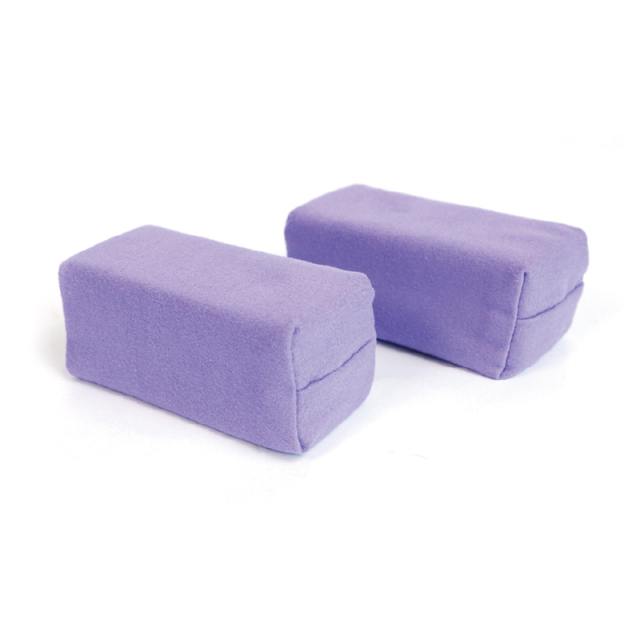
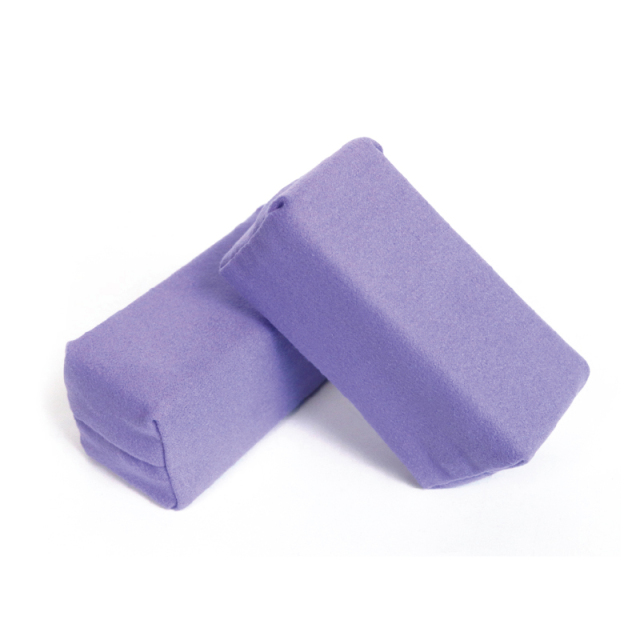
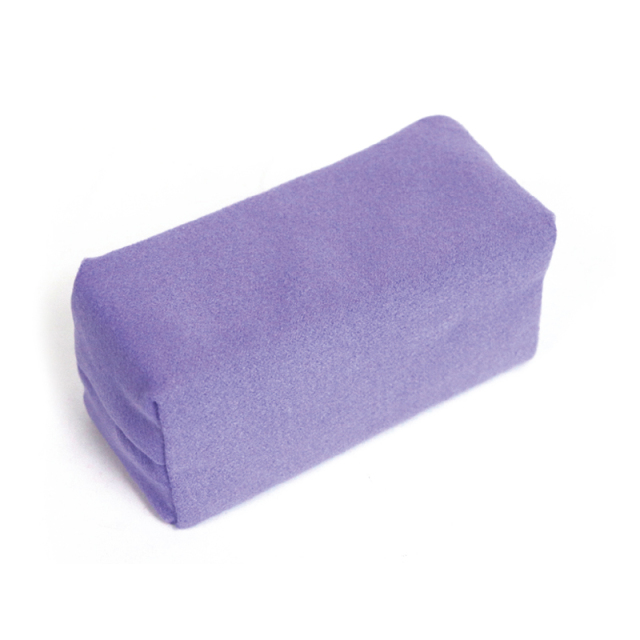
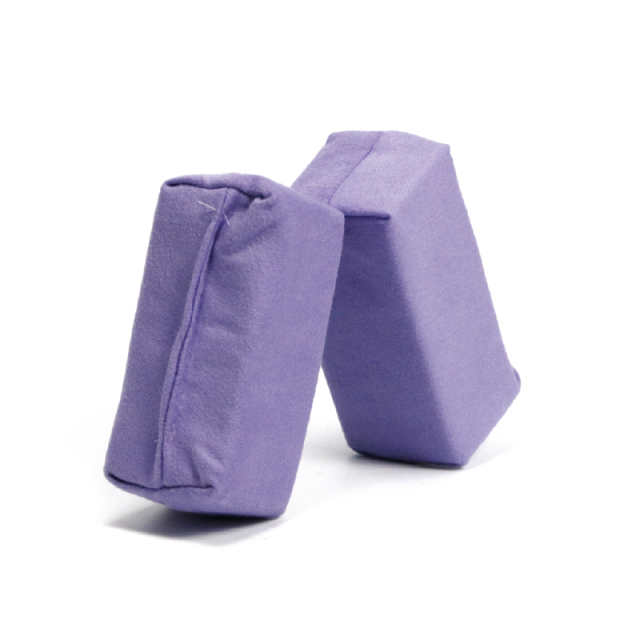
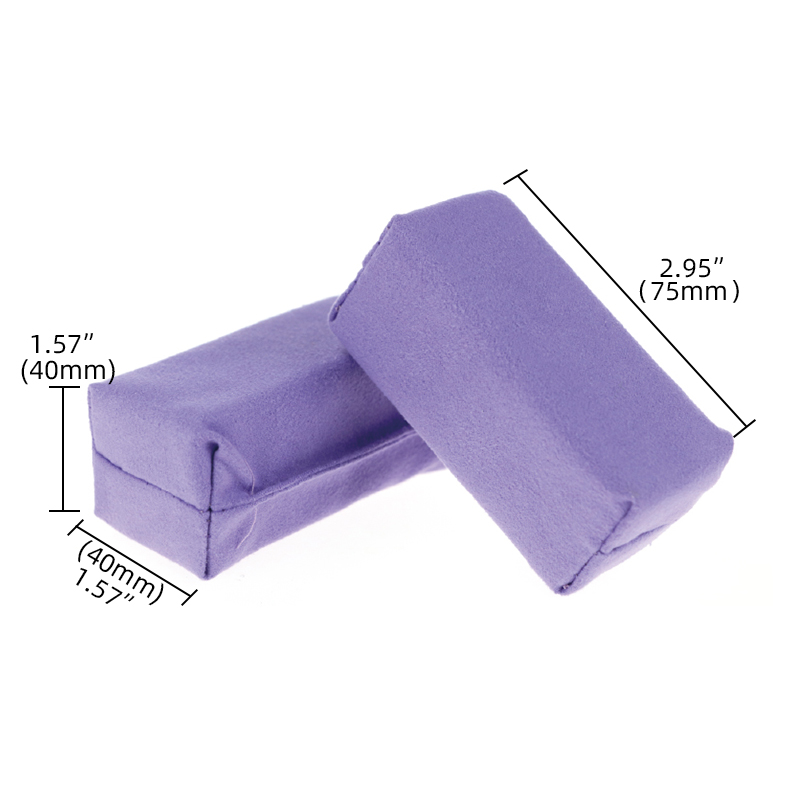
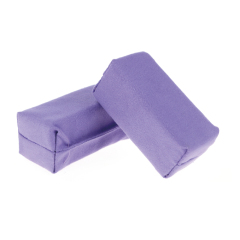
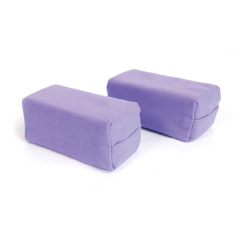
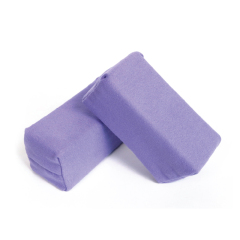
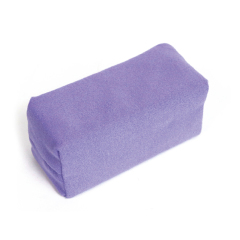
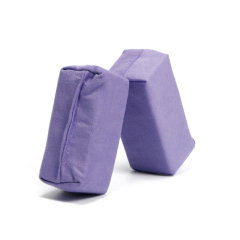
The T-503 is the block that carries the coating onto the panel. A firm foam core gives it a flat, stable face, and a soft plush fabric is finished over that face with stitched seams, so the liquid spreads as an even film instead of being dragged around by a folded towel or a bare foam pad. What lands on the paint is a thin, level layer rather than a set of streaks that only appear once the coating has cured.
Experienced detailers reach for a block on every coating job for one reason: it keeps fingers and knuckles off the paint. Finger marks, knuckle arcs and drag lines at the edge of a panel are the defects that are hardest to remove after a coating has flashed, and a flat rectangular block is the simplest way to stop creating them.
The working range covers far more than the panels. Alongside paint and clear coat, the same block applies coating to glass, wheel hubs, tires, seats, engine bay plastics, interior decoration and exterior trim — the full set of parts a proper ceramic coating for cars is expected to protect.
Shops that already buy their ceramic coating supplies from us tend to take the blocks in the same carton. Coatings are worked panel by panel and the block is swapped as the face loads up, so consumption is steady and easy to plan for.
If you buy on a wholesale ceramic coating basis, ask for the applicators to travel with the coating so the carton arrives ready to shelve, with a block next to the bottle it belongs with.
- Flat, even pressure. The foam core holds the face rigid, so the coating is pressed into a level film across the panel instead of pooling under the heel of your hand — the difference between a clean finish and a mottled one on a professional ceramic coating job. - Low-lint fabric face. The plush cover holds the liquid at the surface and releases it as the block moves, and it does not shed fibres into a wet film the way a cut towel can. - Seamed edges. The fabric is stitched around the block rather than glued at the rim, so the face does not peel back and leave a hard lip to drag through fresh coating. - Keeps hands off the panel. Held flat, the block puts a palm-width of even contact on the paint and keeps fingers, rings and knuckles away from the film. - One block, many surfaces. Paint, glass, wheels, tires, seats, engine bay and trim all take the same block, which is why a busy bay keeps a stack of them rather than one. - Made for repeat ordering. Blocks are consumables and are supplied as their own line, so ceramic coating suppliers can top up the applicator without tying every reorder to a liquid order.
Specifications
| Model reference | T-503 |
| Product type | Ceramic coating applicator block |
| Construction | Foam core with a soft fabric facing |
| Face texture | Plush, low-lint fabric |
| Edge finish | Stitched seams |
| Grip | Rectangular block, held flat in the palm |
| Coating compatibility | Ceramic, graphene and nano ceramic coating |
| Working surfaces | Paint, glass, wheel hubs, tires, seats, engine bay, interior and exterior trim |
| Supplied as | Stand-alone applicator or part of a ceramic coating kit |
Surfaces & Applications
The block is not a paint-only tool. A complete ceramic coating for cars covers a lot of area beyond the panels, and each of those areas takes the same applicator with a slightly different technique. Glass is next: windscreens and side glass are usually treated with a nano ceramic coating because the film helps water sheet away, and a fresh block with a lighter load gives better control around the edge of the screen. Wheels and hubs need their own block. Brake dust and metal particles embed in the face, and a block that has been around a dirty wheel should never go back onto paint. Tires and rubber trim take a separate block again, especially where a tire shine applicator has already been used in the same bay — dressing and coating should never share a face. Inside the car, seats and leather take a clean block for interior coating. The same applies to engine bay plastics and exterior trim, where the block works product into textured surfaces that a cloth skates over.
Coating Application Steps
- Wash and decontaminate the car first. The coating goes onto bare, clean paint, and nothing in this step replaces proper decontamination.
- Inspect each panel under a bright light for polish residue, water spots and missed tar before the first pass of a professional ceramic coating job — not after.
- Wipe the panel with a panel wipe and let it flash off completely before the block touches the surface.
- Load the block with a few drops. Too much floods the panel and causes high spots; too little drags the face and leaves a dry patch.
- Hold the block flat with your fingers behind it, and work one panel at a time in overlapping straight passes.
- Check the panel as you go and buff any high spot before the coating sets.
- Swap or flip the block as soon as the face loads up, drags or feels tacky. A loaded block is the usual cause of a smeared final pass.
- Keep coating blocks away from the ones used for polish, wheel cleaner and dressing, and bag them when the job is finished. It is a small habit, but it is most of professional car care in a coating bay.
- If you cost consumables per vehicle, log the number of blocks used against the job — it is the easiest number to plan reordering around.
Handling & Care
- One block per chemistry. Treat blocks as part of your ceramic coating supplies rather than as a reusable cloth: give paint, glass, wheels, tires and interior their own block, and label them so the bay does not mix them up.
- Bag them between jobs. A sealed bag keeps dust and polish spatter out of the plush face, and a dusty face dragged across a panel is one of the few ways an applicator can mark a finish.
- Do not wash and reuse on paint. Once a block has carried coating, the face cures hard. Reusing it risks a gritty pass and a rework nobody gets paid for.
- Retire it on time. When the face mats, hardens or the seam lifts, the block is finished. Replacing it is one of the cheapest habits in professional car care.
- Store flat and dry. Stacking bottles on top crushes the foam and leaves a permanent dip, which turns into uneven pressure on the next panel.
- Pack a block with the coating. If you assemble a ceramic coating kit, put the applicator in the box so the end user is not hunting for something to apply with at the point of use.
Ordering & Delivery
- Tell us the job: which surfaces the blocks are for, roughly how many a car takes in your bay, and whether they should ship with a wholesale ceramic coating order.
- Ask about sample availability and approve a block before bulk production. Sample scope and courier arrangements are confirmed with you before anything is dispatched.
- Approve packaging and artwork — bag or box format, label copy, barcode, carton and shipping marks. Ask for the current block dimensions and carton count at this point if your label or listing artwork needs them.
- Confirm the order quantity and commercial terms with your sales contact. Minimum order quantity, unit price, trade terms and lead time follow the item and the pack you choose.
- Settle the balance before dispatch. Once payment clears, the shipment is booked and the document set — commercial invoice, packing list and the transport documents for your route — is prepared and sent with the goods.
- Dispatch: In stock and fast shipping.
- Reordering: blocks move faster than the liquids, so most buyers keep them as a standing ceramic coating supplies item and add a carton to each coating order.
- After-sales and batch traceability: report a shortage, damage or quality concern with the order reference, batch number, affected quantity and photos, and it is checked against the retained sample from that batch.
- If you are lining up ceramic coating suppliers for the whole range, put the block and the coating on one quotation so freight and documents are handled once.
Scale & Supply Capability
SURAINBOW is run by Guangzhou Liangdian Automotive Supplies Co., Ltd., a factory-trade operation set up in Guangzhou in 2010 and now 50 people strong. Sixteen years in car care have given us a one-stop supply position: our own SURAINBOW lines are held in stock for fast shipping, and an associate factory with modern production equipment and an established quality management system keeps replenishment moving. We take OEM and ODM work and our R&D team develops to your specification. Buyers in the Middle East, the United States, Southeast Asia, Europe, the UK, Russia, Africa and Australia already order from us.
FAQ
Which coatings can the block be used with?
It works with the coatings we supply — ceramic, graphene and nano ceramic coating formulas — and with most hand-applied coatings of the same type. Load a few drops at a time and add more as the face dries, rather than soaking the block before the first pass.
Will the fabric face leave fibres in the coating?
The face is a dense, low-lint plush fabric, so it releases product without shedding the way a cut towel can. Marks usually come from dust or polish spatter sitting on the face rather than from the fabric itself, which is why the block should be bagged between jobs and inspected under a light before the first pass on a professional ceramic coating job.
Can one block handle paint, glass and wheels on the same car?
In practice, no. A face that has been on a wheel holds brake dust, and one that has been on glass may hold residue that drags across paint. A full ceramic coating for cars is normally run with separate blocks for paint, glass, wheels, tires and interior, labelled so the bay keeps them apart.
How many blocks does a car take?
There is no fixed number — it depends on the size of the vehicle, how quickly your coating loads the face and how often the technician swaps. Most shops plan per surface instead: one for paint, one for glass, one for wheels, one for tires and trim, and one for the interior, with a spare on the bench. Buyers running a wholesale ceramic coating programme usually keep a carton in the bay rather than counting blocks one at a time.
How should the blocks be stored between jobs?
Flat, dry and sealed. Stacking bottles on top crushes the foam and leaves a dip that shows up later as uneven pressure. Bagging and labelling blocks is a small habit that pays back in fewer reworks, and it is basic professional car care in any bay that coats regularly.
Is the applicator supplied with your coatings or on its own?
It ships as its own line, and it can also go into a ceramic coating kit when the buyer wants the block packed with the bottle. Confirm the contents of the specific kit you are ordering, because kits are assembled around individual coatings. Because it is stocked alongside the liquids, ceramic coating suppliers can top the block up with a coating order or on its own.